AI memory crunch pushes India's smartphone shipments down 10% in Q2
India's smartphone shipments fell 10% in Q2 as AI-driven memory demand raised handset costs and squeezed budget buyers.


India's smartphone market is giving the consumer side of the AI infrastructure boom a sharper price tag. New reporting from TechCrunch, citing Counterpoint Research and interviews with analysts, says handset shipments in India fell 10% year over year in the April-June quarter of 2026, the steepest June-quarter decline there in six years.
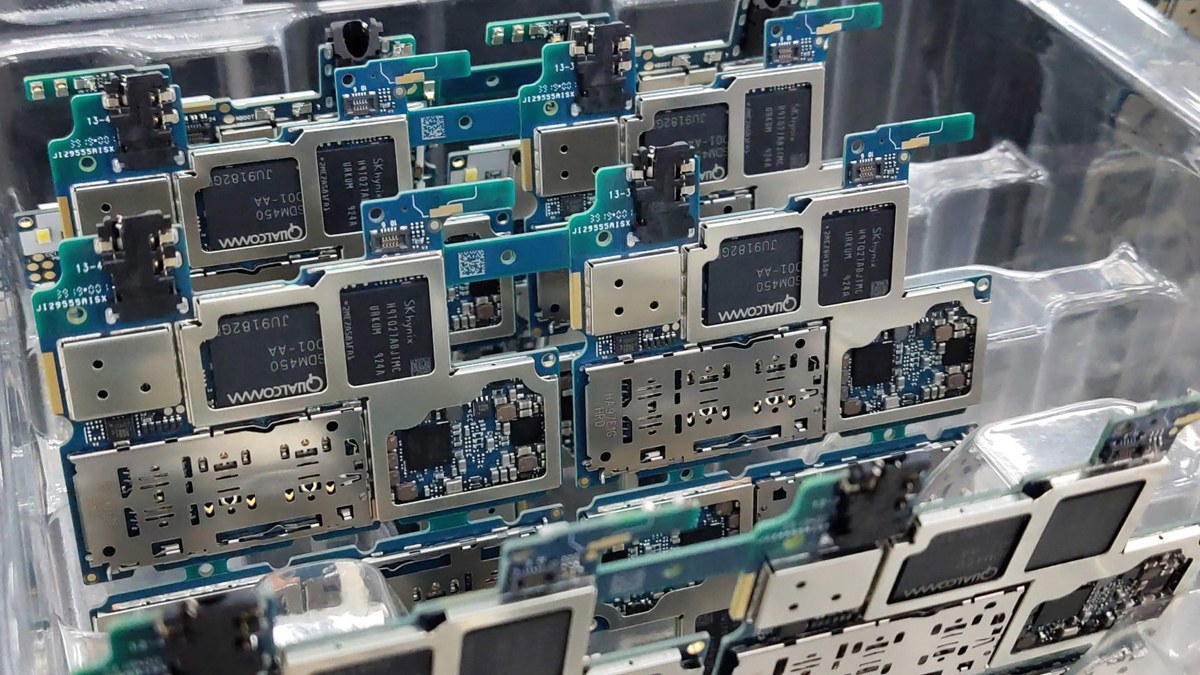
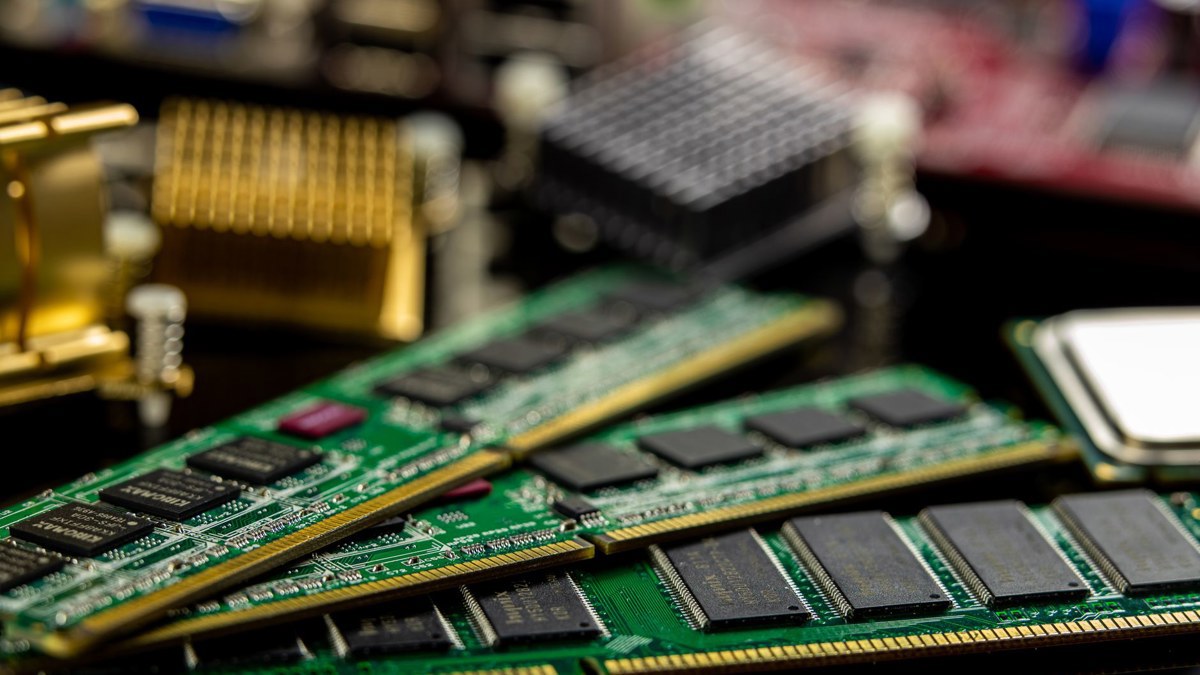
The immediate pressure is memory. RAM and storage parts used in phones are being squeezed as chipmakers prioritize high-bandwidth memory and other components for AI servers. That shift does not mean phone memory vanished, but it has pushed costs higher for device makers that compete on thin margins, especially in lower-cost Android segments.
Budget phones are taking the hardest hit
India is especially exposed because a large share of its smartphone demand sits below 20,000 rupees, roughly the part of the market where a small increase in bill-of-materials cost can change the retail decision. TechCrunch reported that about 60% of the market is in that sub-20,000-rupee band, while the lower sub-15,000-rupee segment fell 45% year over year. The Indian Express separately reported that average smartphone prices rose by about 15% by the end of the quarter as brands passed on higher component costs.
That changes the competitive map. Samsung was the only top-five brand to post shipment growth in the quarter, helped by demand for Galaxy A-series and flagship models plus promotions. Chinese brands with heavier exposure to entry and mid-tier devices lost share, while Apple shipments dipped 3% as supply constraints limited availability even though premium demand remained healthier.
AI infrastructure now reaches the phone aisle
The story matters beyond India because it shows how AI data center demand can affect everyday electronics. Memory makers have strong incentives to allocate wafers and investment toward higher-margin server components. Phone brands then face a choice: absorb costs, raise prices, reduce specifications, or lean harder on financing and refurbished-device channels.
Analysts quoted by TechCrunch expect many buyers to delay upgrades rather than leave the smartphone market entirely. Replacement cycles could stretch from roughly three and a half years to around four years, and financing is becoming more important for premium devices. For manufacturers, that means fewer units may be sold even as average selling prices rise.
The near-term outlook remains tight. IDC commentary cited by TechCrunch suggests elevated memory costs and handset prices could persist until at least the end of 2027, though the rate of increases may moderate. For now, India's Q2 decline is a clear warning that AI's supply-chain effects are not limited to cloud providers and chip investors; they are also reshaping what buyers can afford in the world's second-largest smartphone market.
Sources
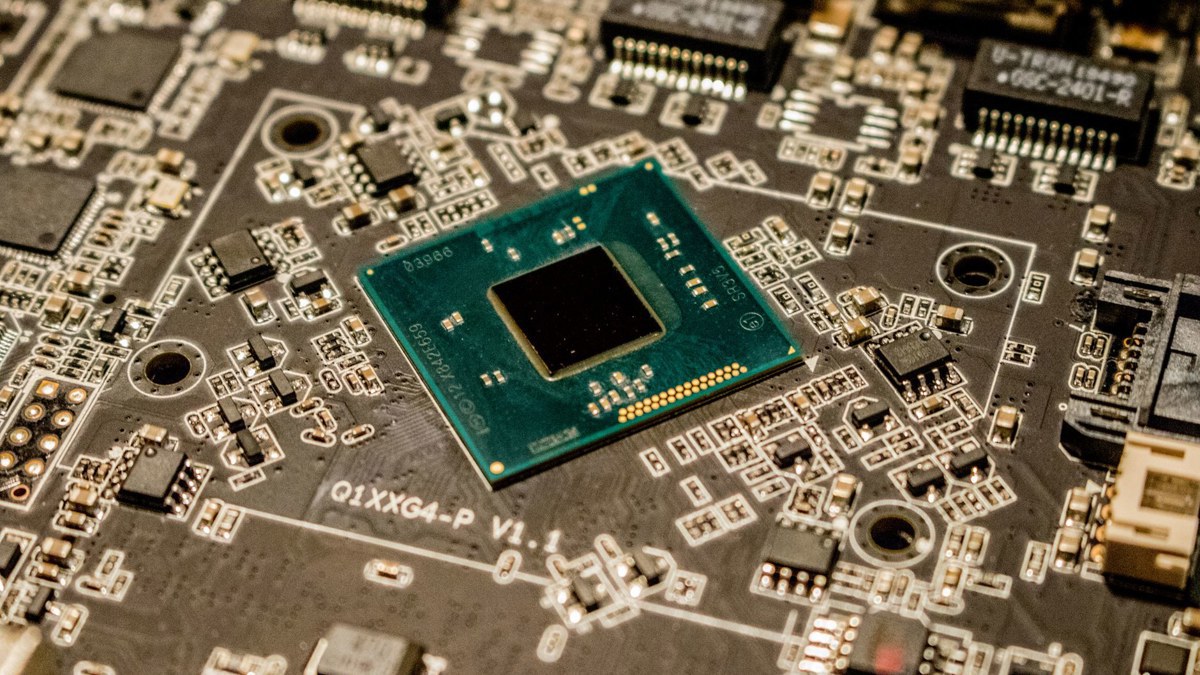
Cover photo by Andrey Matveev on Pexels, used under the Pexels License.



Comments (0)
Leave a Comment