AI stock weakness drags South Korea's Kospi sharply lower as oil climbs
AI-linked stock weakness helped pull South Korea's Kospi down 4.5%, underscoring investor concerns over chips, energy, and AI infrastructure costs.


South Korea's benchmark Kospi fell 4.5% on Monday as weakness in AI-linked shares weighed on a broader day of global market caution, according to Associated Press market coverage published July 20. The move stood out because the index has been one of Asia's clearest proxies for enthusiasm around artificial intelligence hardware, memory, data-center suppliers, and the capital spending cycle behind new AI systems.
The AP report framed the sell-off as part of a wider pressure point for investors: some AI stocks were swooning while oil prices continued to climb. That mix matters for technology companies because AI infrastructure is unusually sensitive to both financing conditions and energy costs. Data centers require enormous power commitments, chipmakers rely on sustained customer spending, and software companies tied to AI expectations can reprice quickly when investors question whether near-term earnings justify high valuations.
Why It Matters
The Kospi decline does not by itself prove that the AI buildout is slowing. It does, however, show how concentrated the trade has become. South Korea's market includes major semiconductor and electronics suppliers that are central to advanced computing supply chains, so large swings there can signal changing expectations for memory pricing, server demand, and hyperscaler procurement. When those names weaken at the same time as energy markets rise, investors have to reassess both revenue momentum and the cost base needed to deliver AI capacity.
For technology buyers, the immediate practical impact is indirect. Cloud providers and device makers are still competing for advanced chips, high-bandwidth memory, power, cooling, and skilled engineering labor. But the public-market reaction is a reminder that AI infrastructure is not only a product story; it is also a balance-sheet story. If capital becomes more expensive or if energy prices stay elevated, the strongest operators may keep investing while smaller suppliers and speculative AI plays face sharper scrutiny.
What To Watch
- Whether semiconductor and memory names recover quickly or continue to pull broader Asian tech indexes lower.
- How rising oil prices feed into data-center power costs and investor assumptions about AI margins.
- Whether upcoming earnings calls from chip, cloud, and hardware suppliers show sustained demand or signs of customer digestion.
The most useful readout will come from fundamentals rather than one trading session. Still, Monday's Kospi drop is a timely signal that the AI rally is being tested by the same constraints that shape the physical technology stack: chips, power, capital, and confidence.
Sources
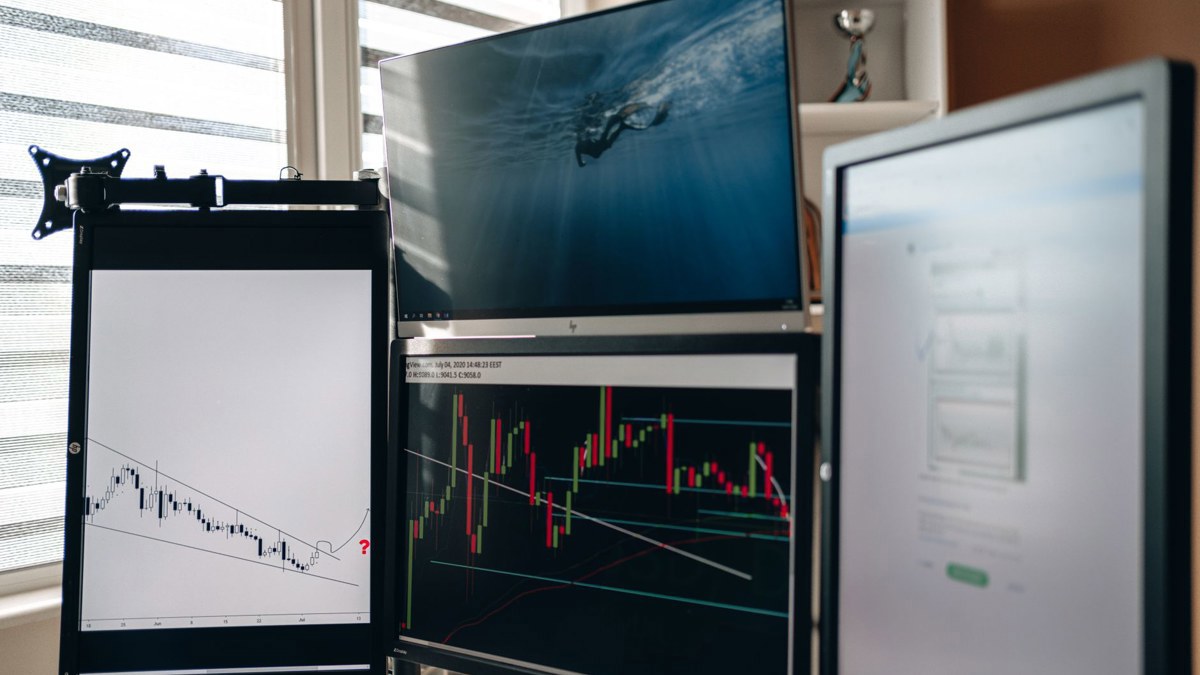
Cover photo by AlphaTradeZone on Pexels, used under the Pexels License.






Comments (0)
Leave a Comment