CISA and allies warn Russian FSB-linked actors are targeting vulnerable routers
CISA and allied agencies warn Russian FSB-linked actors are exploiting vulnerable routers across critical infrastructure.


U.S. and allied cyber agencies have issued a joint warning that Russian government-sponsored actors are continuing to exploit weakly configured and vulnerable routers across critical infrastructure networks. The Cybersecurity and Infrastructure Security Agency published advisory AA26-194A on July 13, saying the activity is linked to Russia's Federal Security Service Center 16 and overlaps with threat clusters tracked by industry under names including Berserk Bear, Energetic Bear, Dragonfly, Ghost Blizzard and Static Tundra.
The advisory matters because routers and other network edge devices often sit between sensitive systems and the public internet, but they can be harder to monitor than workstations or servers. CISA, NSA, the FBI, the Defense Department Cyber Crime Center and partner agencies from Australia, Canada, New Zealand, the United Kingdom and several European countries said the actors look for exposed management services, default or weak authentication, outdated firmware and known Cisco-related weaknesses.
Who is most exposed
The agencies highlighted communications, defense industrial base, energy, financial services, government services and facilities, and healthcare and public health as sectors at particular risk. State and local government organizations received special mention because they often operate mixed generations of network equipment and may not have centralized visibility into every internet-facing device.
The technical guidance says the actors scan internet ranges for Simple Network Management Protocol agents that accept common or default community strings. It also calls out abuse of Cisco Smart Install, exposed management portals and older vulnerabilities, including CVE-2018-0171 and CVE-2008-4128. CISA notes that some of the same tradecraft can resemble activity from other malicious groups, so the defenses are intended to reduce risk beyond this single Russian-linked campaign.
What defenders should do
- Inventory routers and other edge devices that are reachable from the internet.
- Patch supported devices and replace end-of-life hardware that no longer receives security updates.
- Disable insecure management services, including legacy SNMP versions, where they are not required.
- Restrict administration to trusted networks and enforce strong credential storage and authentication.
- Review logs for unexpected configuration changes, scans and access attempts against management ports.
The alert is not a report of one newly disclosed software flaw. It is a broader hardening advisory aimed at the long tail of neglected network infrastructure. For technology leaders, the practical takeaway is that router hygiene belongs in the same urgent category as endpoint patching and cloud identity controls: attackers continue to treat exposed edge devices as durable entry points into operational networks.
Sources
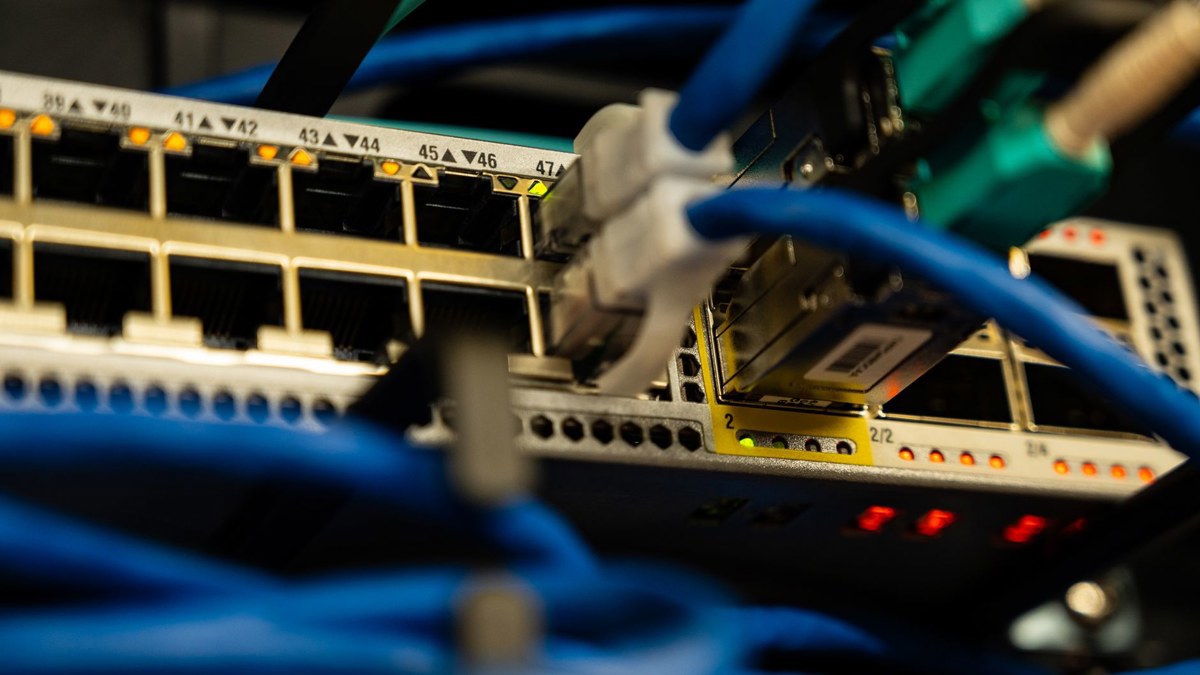
Cover photo by Brett Sayles on Pexels, used under the Pexels License.






Comments (0)
Leave a Comment