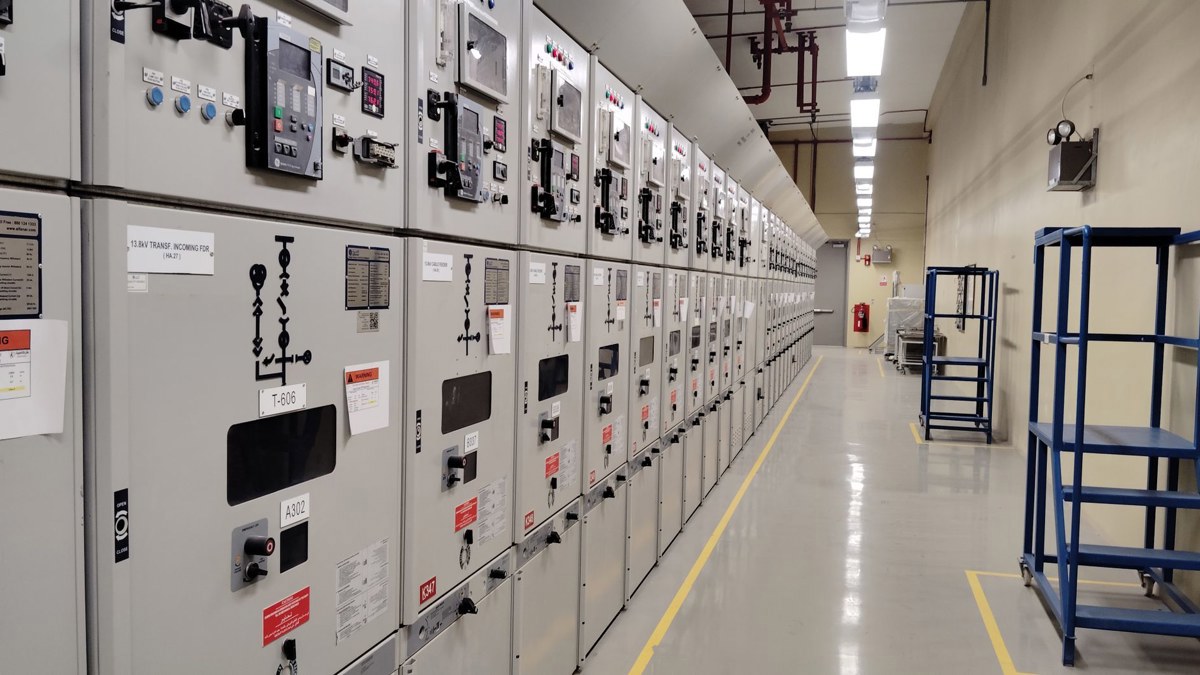
CISA warns Siemens S7 PLC operators about active AI-assisted exploitation threat
CISA and partner agencies warn Siemens S7 PLC owners to inventory devices, block internet exposure, patch, and monitor TCP port 102.


CISA, NSA, the FBI, the Department of Energy and the EPA are warning industrial operators that Siemens S7 programmable logic controllers are being actively targeted, with attackers using AI-assisted scripts and public tooling to probe exposed devices. The August 19 advisory is not a routine patch notice: it tells owners of operational technology systems to inventory Siemens S7 devices, remove internet exposure wherever possible and monitor the S7comm service on TCP port 102.
The advisory says the activity covers Siemens S7-200, S7-300, S7-400, S7-1200 and S7-1500 PLCs, including safety-controller variants in the S7-1500 family. The agencies describe threat actors using internet scanning services, insecure or default credentials, and Python scripts built around snap7.dll or python-snap7 to read and write PLC memory, configuration data and ladder logic. That combination matters because PLCs often sit close to physical processes in water, energy, manufacturing, chemical and food facilities.
The practical risk
The immediate takeaway is simple enough for a plant-floor checklist: if an S7 controller can be reached from an untrusted network, treat it as urgent until segmentation, firmware, access control and monitoring have been verified. CISA says exploitation of poorly protected PLCs could lead to downtime, equipment damage, safety incidents, data compromise or cascading effects across connected systems.
The most useful part of the advisory is its prioritization. Teams are told to verify firmware versions against known-good backups, identify direct or indirect exposure to untrusted networks, map engineering workstations with TIA Portal or STEP 7 access, and patch internet-facing or DMZ-resident controllers first. The agencies also recommend blocking TCP port 102 at perimeter firewalls, restricting engineering access by MAC or IP allowlists, enabling PLC password protection and watching for unauthorized PUT/GET operations outside maintenance windows.
CyberOGZ's read: this may become a common pattern for industrial security, where AI does not need to invent a new zero-day to raise risk. One likely effect is faster weaponization of public documentation and libraries against systems that were already hard to patch or segment. The advisory does not name a threat actor or claim a successful disruptive incident, so operators should avoid panic, but the decision rule is clear: exposed control systems deserve executive attention before attackers move from reconnaissance to operations.
For future CyberOGZ coverage of critical infrastructure security, this advisory is a useful reference point because it connects three durable issues: legacy industrial devices, internet exposure and AI-assisted exploit development. The lesson for readers is not that every PLC is doomed; it is that asset inventory and network boundaries now decide how quickly an AI-enabled script becomes a real operational problem.
Sources
Cover photo by Shameer Vayalakkad Hydrose on Pexels, used under the Pexels License.






Comments (0)
Leave a Comment