Microsoft will enable Windows 11 memory integrity on more eligible PCs in October
Microsoft will enable Windows 11 memory integrity on more eligible PCs in October, with readiness checks and existing opt-outs preserved.


Microsoft says Windows 11 quality updates will begin enabling memory integrity protection on more eligible devices in October 2026, widening a kernel defense that has existed in the operating system but has not always been on by default. The company describes the rollout as part of its secure by design and secure by default push, and says Windows will check each device before changing the setting.
Memory integrity is built on Virtualization-based Security. In practical terms, it uses virtualization to help isolate critical Windows processes and only allow trusted kernel-mode code and drivers to run. That boundary matters because malicious or vulnerable drivers can give attackers powerful access below ordinary app controls. Microsoft also says enabling VBS can make additional security capabilities available.
What changes for users and admins
The important detail is that this is not a universal switch flipped across every PC. Microsoft says Windows will evaluate readiness signals that include hardware capability, compatibility and performance considerations before enabling memory integrity. Existing administrator policies remain in effect, and devices where users or administrators have already disabled memory integrity will not be automatically changed by this rollout.
That makes the update most relevant for unmanaged or lightly managed Windows 11 devices that are capable of running the protection but still have it off. For IT teams, the decision point is less about whether the feature exists and more about whether their device fleet has drivers, security baselines and support processes ready for a default-on posture.
The tradeoff to watch
The security upside is straightforward: more PCs should have a stronger kernel baseline without manual setup. The user experience question is compatibility. The Verge notes that Microsoft has previously warned memory integrity can affect gaming performance on some PCs, especially where older hardware or specific games are sensitive to virtualization overhead. Microsoft says readiness checks include performance signals, but users who tune systems for games or specialized workloads should still know where the setting lives.
CyberOGZ's read is that this is a sensible default for most mainstream PCs, provided Microsoft keeps honoring explicit opt-outs and enterprise policy. A security control that blocks untrusted kernel code is worth having on by default, but the rollout should prompt power users and administrators to audit driver health before October rather than discover a conflict after a quality update lands.
Sources
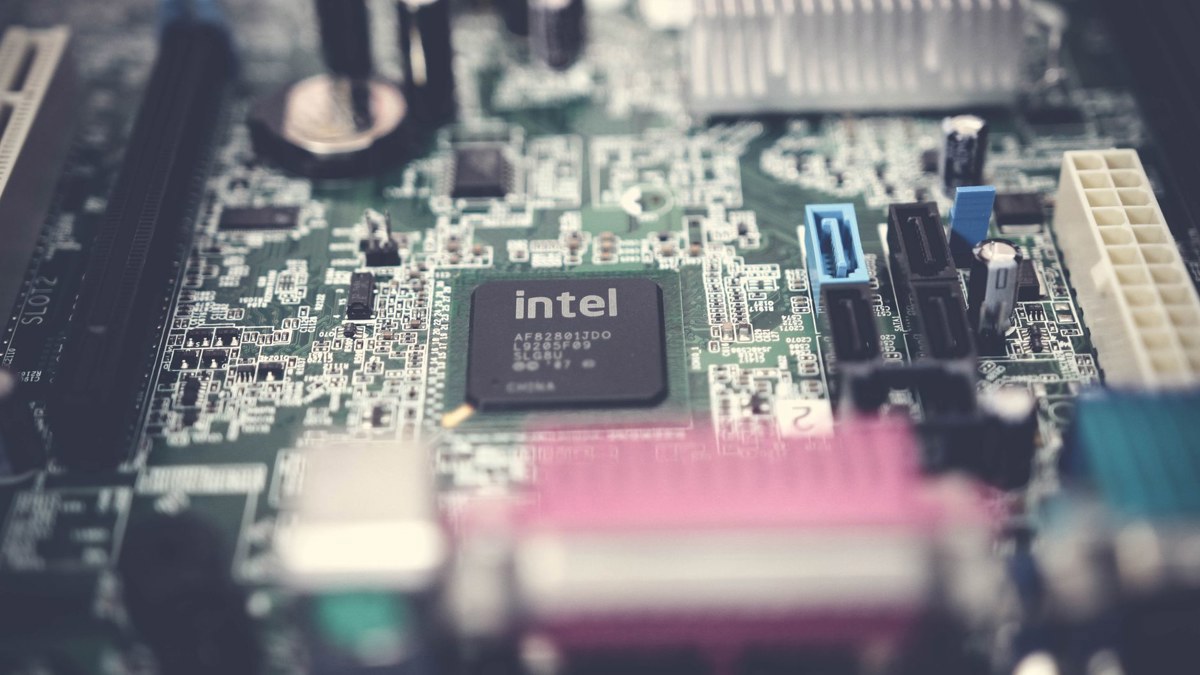
Cover photo by Pok Rie on Pexels, used under the Pexels License.







Comments (0)
Leave a Comment