North Carolina Ports works manually after cyberattack hits three facilities
North Carolina Ports says a cyberattack hit three facilities, forcing manual processing while recovery and investigation continue.


North Carolina Ports is restoring systems after a cyberattack disrupted IT operations across the Port of Wilmington, the Port of Morehead City and the Charlotte Inland Port, pushing workers onto manual processing while state and federal partners investigate.
The incident was detected late Tuesday, August 4, according to local reporting that cited the port authority. By Thursday, August 6, gates were back on normal schedules, but operations were still being processed manually and delays were expected. Recorded Future News reported that a North Carolina Ports spokesperson said the breach had been contained and recovery work was underway.
What changed operationally
The port authority activated its cybersecurity contingency plan after discovering the attack. In Wilmington, operations shifted to a delayed opening and manual gate processing so IT staff could focus on recovery. The affected facilities are important cargo links for the state, and Recorded Future News noted that North Carolina Ports handles more than 4 million tons of cargo a year.
The agency said an outside forensics team is working with its IT department to assess and restore systems. It also engaged the North Carolina Department of Transportation, the North Carolina Department of Information Technology and the U.S. Coast Guard. As of the latest public updates, there was no confirmed timeline for full restoration, no public attribution to a specific attacker or group, and no indication that sensitive data had been compromised.
Why it matters
The disruption is a reminder that port cybersecurity is not only a data protection issue. When terminal systems, gate systems or logistics platforms are interrupted, operators can keep freight moving only by falling back to slower manual procedures. That can protect continuity, but it also creates bottlenecks for truckers, shippers and downstream supply chains.
The incident lands amid broader concern about operational technology and public infrastructure security. Modern ports depend on connected scheduling, cargo tracking and gate workflows, making resilience planning as important as prevention. The most useful detail in the North Carolina update is that contingency procedures appear to have kept facilities operating, even while the investigation continues.
Sources
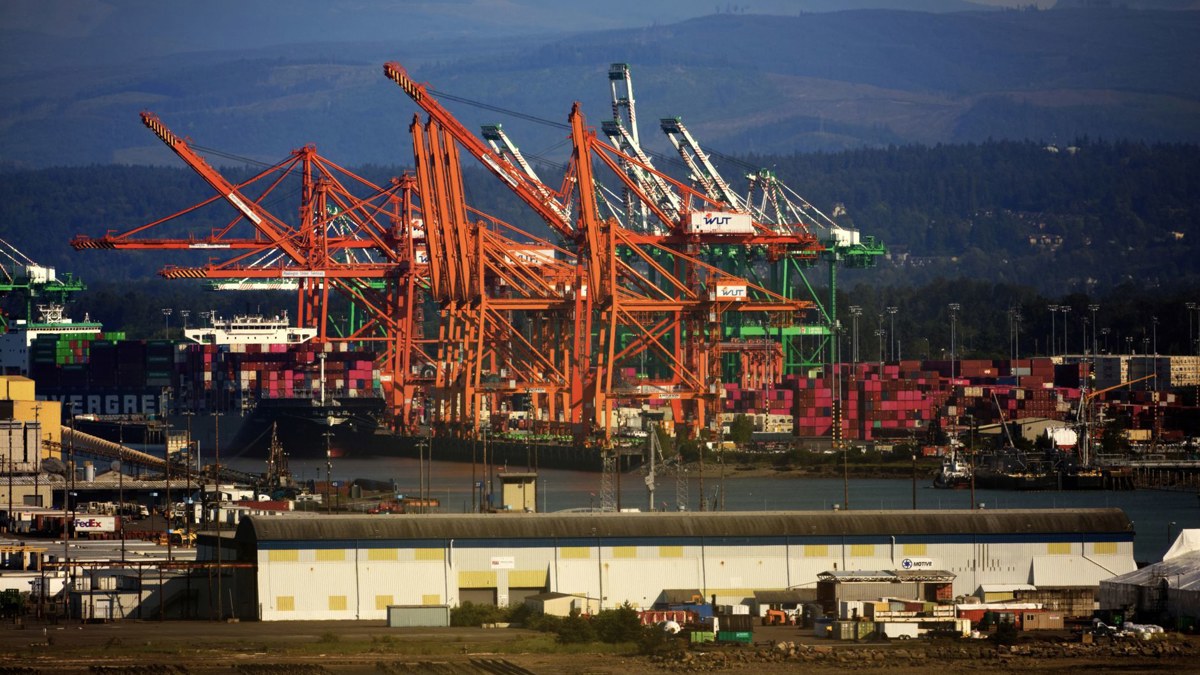
Cover photo by DANNIEL CORBIT on Pexels, used under the Pexels License.





Comments (0)
Leave a Comment