
NSA sets 2027 and 2030 milestones for post-quantum security systems
NSA set 2027 and 2030 post-quantum milestones for national security systems, turning crypto readiness into a procurement issue.


The National Security Agency has published new post-quantum cryptography measures for National Security Systems, with a deadline that turns quantum readiness from a research topic into a procurement issue. The agency says all new commercial NSS must be capable of supporting quantum-resistant algorithms starting in 2027, while legacy systems that cannot support those algorithms are to be phased out by 2030.
The announcement is aimed at the Department of War, the defense industrial base, and other organizations tied to national security systems. NSA says the work is tied to Executive Order 14412 and Committee on National Security Systems Policy 15. The practical message is simple: systems bought now need a path to cryptography that can survive future quantum attacks, not only current compliance checks.
What changed
NSA framed the release around two risks. The first is the familiar harvest now, decrypt later problem, where attackers collect encrypted traffic today and wait for future tools that can break it. The second is what NSA calls trust now, exploit later, where current architecture choices create authentication and integrity weaknesses that become harder to unwind after deployment.
The agency points organizations toward its growing post-quantum cryptography resources and related cybersecurity services. Those include guidance for the defense industrial base, protective DNS, attack surface management, threat intelligence, and zero trust implementation material. NSA also says it will keep updating official channels as more transition resources become available.
Why it matters
For technical leaders, the dates matter more than the label. A 2027 capability requirement means procurement teams should ask vendors about algorithm agility, supported standards, certificate handling, hardware constraints, and upgrade plans before buying systems with long service lives. Waiting until a production platform reaches end of support could leave agencies replacing equipment for crypto reasons rather than performance reasons.
CyberOGZ sees this as a planning checkpoint for any organization that sells into national security environments. The immediate work is not to rip out every cryptographic control. It is to inventory where encryption, signatures, and authentication are embedded, then separate systems that can be updated from systems that will need replacement before 2030. Vendors that cannot explain their post-quantum roadmap may become a schedule risk for buyers long before quantum computers are useful to attackers.
The next thing to watch is how quickly procurement language and compliance reviews absorb the guidance. Once those checks move into contracts, post-quantum support will stop being a future feature and become part of ordinary security due diligence.
Sources
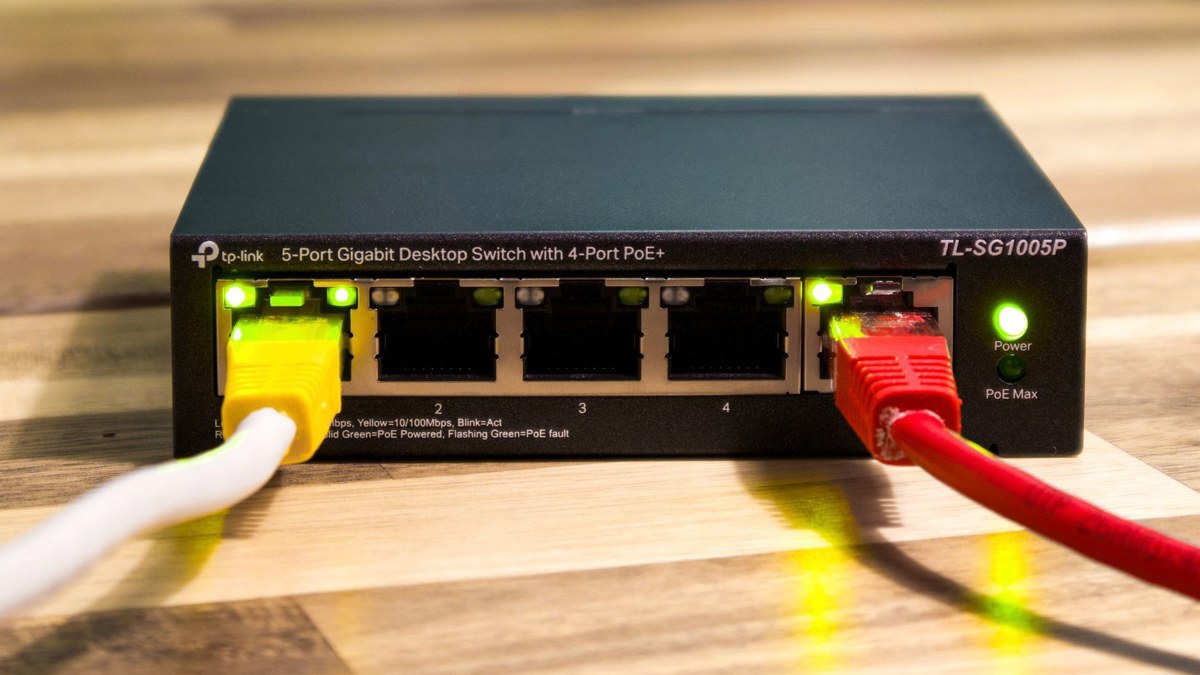
Cover photo by ed br on Pexels, used under the Pexels License.






Comments (0)
Leave a Comment