NVIDIA details Vera CPU push for agentic AI data centers
NVIDIA says its Vera CPU targets agentic AI bottlenecks around tool use, sandboxing, analytics, and GPU utilization.


NVIDIA has published new details on Vera, the data center CPU it is positioning for the next wave of agentic AI systems. The July 7 blog post argues that AI agents put a different kind of pressure on CPUs than traditional cloud workloads because each model step can trigger code execution, tool calls, data processing, sandbox setup, retrieval, and result checking before the next model call begins.
The company says Vera is designed around what it calls maximum single-threaded performance at scale, rather than only increasing rentable core count. NVIDIA says the chip uses 88 custom Olympus cores and can keep those cores supplied through up to 1.2 TB/s of LPDDR5X memory bandwidth, a monolithic compute die, and 3.4 TB/s of core-to-core bandwidth. In NVIDIA's framing, the point is to shorten the CPU-bound stages around large language model work so expensive GPUs spend less time waiting.
Why it matters
AI infrastructure discussions often focus on GPUs, but production agent systems depend on surrounding CPU work: starting isolated environments, compiling or running generated code, querying databases, moving context, and validating outputs. If those steps become the bottleneck, adding more accelerator capacity does not necessarily make an agent finish useful work faster. NVIDIA is trying to define that surrounding workload as a hardware market in its own right.
The claims are still vendor-provided benchmarks, so they should be read as NVIDIA's measurements rather than independent performance results. The company says Vera delivers 1.8x sustained per-core performance versus x86 on loaded agentic execution workloads. It also says Perplexity tested Vera on a coding workflow that clones a repository and runs tests in sandboxes, completing the job about 1.5x faster than x86 and starting concurrent sandboxes up to 1.9x faster.
- Starburst measured 3x faster large-scale SQL analytics, according to NVIDIA.
- Redpanda measured up to 6x lower real-time streaming latency, according to NVIDIA.
- NVIDIA says Vera will also connect into its Vera Rubin systems and BlueField-4 STX storage processor roadmap.
The announcement does not make Vera a general-purpose verdict on the server CPU market. It does show how quickly AI vendors are reworking the definition of a balanced data center node. For companies building agent-heavy services, the CPU may become a more visible part of inference cost, responsiveness, and infrastructure planning.
Sources
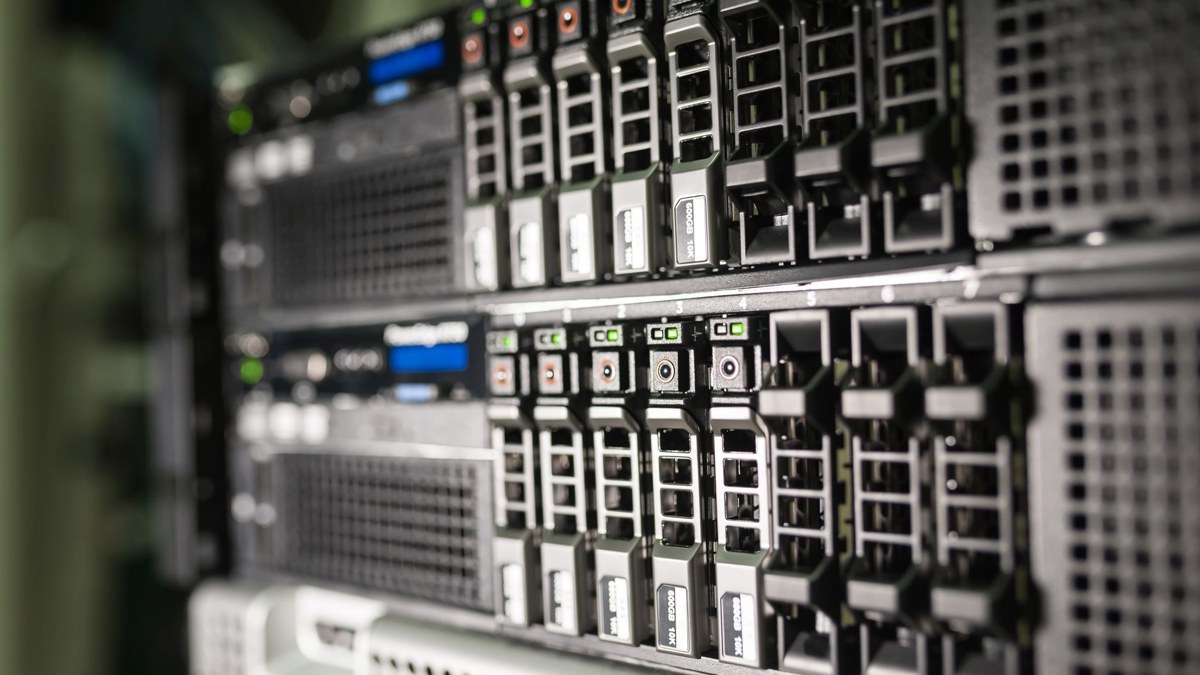
Cover photo by panumas nikhomkhai on Pexels, used under the Pexels License.



Comments (0)
Leave a Comment