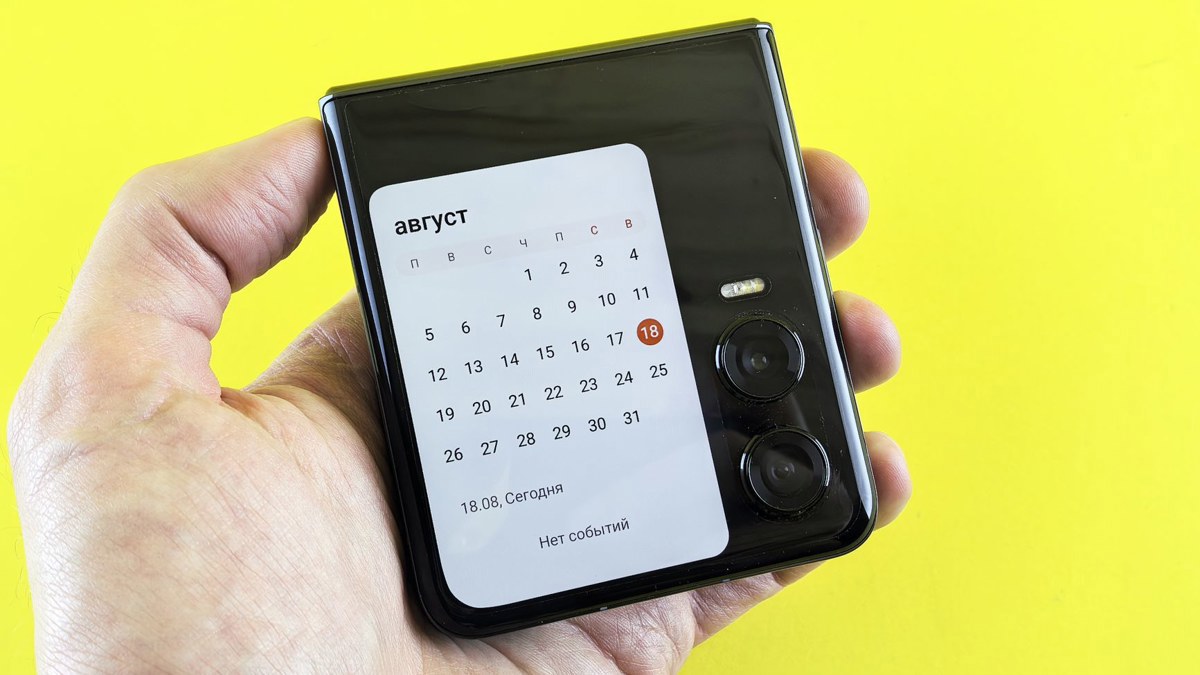
Samsung unveils Flex Titanium display tech for its next Galaxy foldables
Samsung's Flex Titanium display stack uses titanium layers to target stronger, slimmer Galaxy foldables with less visible creasing.


Samsung has previewed a new foldable display structure called Flex Titanium, setting up one of the hardware themes for its next Galaxy foldable launch. The company says the technology combines a titanium-alloy film under the OLED panel with a separate titanium plate beneath the display module, aiming to make foldable screens slimmer, stronger and less visibly creased.
The announcement, published by Samsung's global newsroom on July 15, frames Flex Titanium as the product of seven generations of Galaxy foldable engineering. Samsung says the revised structure is designed to balance three pressures that often conflict in foldable phones: enough strength to absorb everyday shock, enough flexibility to survive repeated opening and closing, and enough thinness to fit into a refined mobile device.
What Samsung says changed
The company describes the titanium-alloy film as an internal support layer below the OLED panel. According to Samsung, that layer provides 20 times greater mechanical stiffness than polymer film while being rolled to roughly one-third the thickness of an average human hair. Beneath it, the titanium plate is processed with micro-patterned holes in the folding area so it can support the display when flat while still bending where the hinge requires it.
Samsung also says the new structure removes air gaps between the display module and adhesive on the plate through advanced hole processing, improving stability when the device is unfolded. The company adds that high-resolution display architecture and next-generation organic materials are part of the same package, with the goal of improving power efficiency as well as visual sharpness.
Why it matters
Foldable phones have moved from novelty hardware into a more mature mobile category, but the visible crease, long-term durability and device thickness remain core buyer concerns. Samsung's preview is notable because it points to a materials-level answer rather than only a hinge redesign or software feature. Titanium has become a familiar premium-device material, but Samsung is emphasizing its use inside the display stack, where stiffness and flexibility have to coexist.
The company has not yet named the specific devices using Flex Titanium, and it has not published independent durability data in the announcement. It says the technology will debut in the next generation of Galaxy foldable devices, with more details planned for Galaxy Unpacked. That leaves pricing, model names, repair implications and real-world crease performance for the launch event, but the disclosure gives a clearer look at how Samsung is trying to advance foldables beyond incremental screen-size and processor updates.
Sources
Cover photo by Andrey Matveev on Pexels, used under the Pexels License.





Comments (0)
Leave a Comment