Meta Muse Glimmer review: an open-weight local agent model with real appeal and familiar limits
A source-based review of Meta Muse Glimmer, the new open-weight local agent model, weighing control, hardware demands, and cloud rivals.


Meta's Muse Glimmer is best read as a practical bet on local AI, not as a guaranteed replacement for frontier cloud models. Announced around Meta's August 10 open-weight push, the model is described by coverage and Meta's own AI research page as a compact member of the Muse family built for always-on local agent workflows on consumer hardware. The most useful comparison is not against the largest hosted assistants, but against other open-weight models that developers run on a workstation when privacy, latency, cost control, or offline experimentation matters.
What It Is Good For
The pitch is straightforward: give developers and technically confident users an open-weight model that can sit close to their files, tools, and automations. Independent reports describe Muse Glimmer as a 30-billion-parameter model intended for local desktop use, with emphasis on coding, function calling, and agentic tasks. That makes it interesting for teams that want a model they can inspect, fine-tune, or deploy without sending every prompt through a proprietary API.
Compared with closed services such as ChatGPT, Claude, or Gemini, Glimmer's biggest strength is control. Open weights and an Apache 2.0 license, as reported by The Next Web, should reduce friction for experimentation and commercial integration. Local execution can also help with sensitive drafts, source code, or internal workflows where cloud policy reviews slow adoption. For developers already comfortable managing models, that is a meaningful advantage.
Where The Case Is Weaker
The caveat is that openness is not the same thing as proven superiority. Meta has not supplied enough independently verified, apples-to-apples public benchmark evidence in the available launch material to treat Glimmer as a universal quality leader. Business Insider and other reports frame the model as distilled from Muse Spark, which is useful context, but distillation still leaves a practical question: how much capability was preserved, and in which tasks?
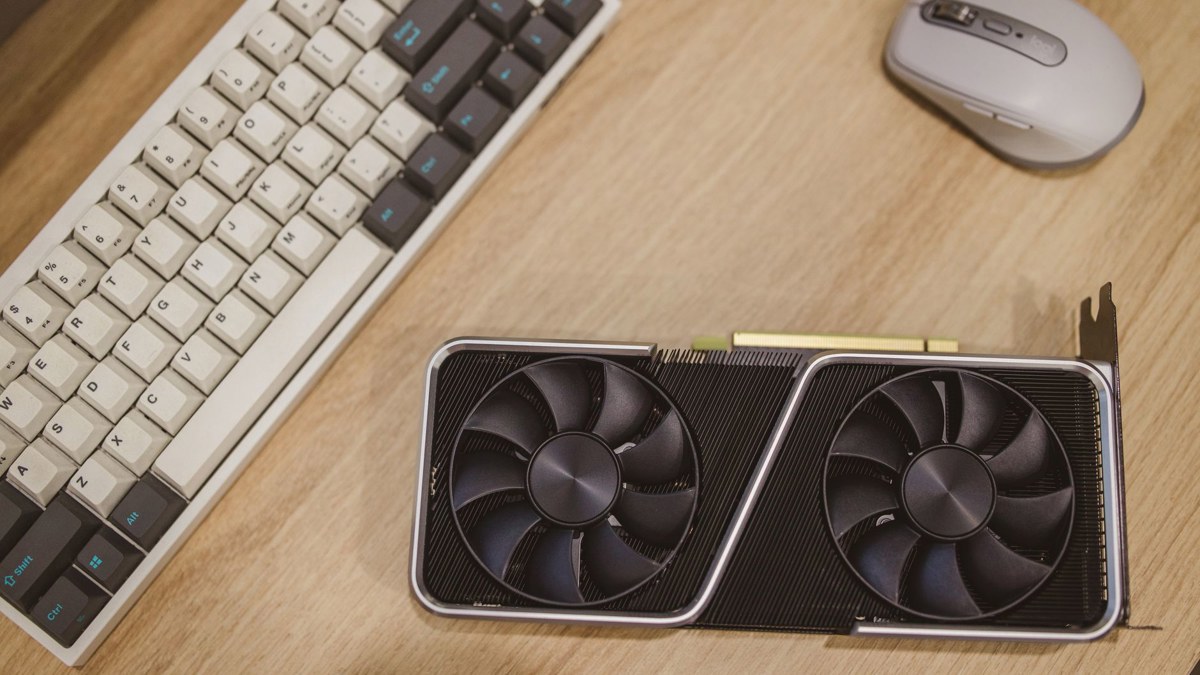
Hardware is another trade-off. A model that can run on a consumer GPU is still not the same as an app that runs well on every laptop. Users without enough VRAM, model-serving experience, or patience for local setup may find a hosted model cheaper in time even if it costs more per token. For many office users, the better product remains a polished cloud assistant with stable uptime, built-in connectors, and managed safety layers.
Decision Against Alternatives
Against larger proprietary models, Muse Glimmer looks like the more flexible tool for local agents, code-adjacent experiments, and organizations that value deployment control. Against mature open-weight alternatives, its appeal depends on whether Meta follows through with clear model cards, reproducible evaluations, download availability, and community tooling. The launch timing also carries a policy message: Meta is using Glimmer to argue for open-weight AI as a competitive answer to closed labs and Chinese open models.
- Choose Muse Glimmer if you want an open-weight local agent model and can tolerate early ecosystem rough edges.
- Skip it if you need a fully managed assistant, verified top-tier benchmarks, or simple deployment for nontechnical staff.
- Compare it with existing local models before standardizing, especially for coding accuracy, tool use, memory footprint, and refusal behavior.
On the evidence available today, Muse Glimmer is a promising release for builders rather than a finished mass-market assistant. Its score depends less on hype and more on whether local control matters to you. For that audience, it is worth serious evaluation; for everyone else, cloud models remain the easier default.
Sources
Cover photo by Ivan Chumak on Pexels, used under the Pexels License.
What supports the decision
Pros
- Open-weight release gives developers more control than closed hosted assistants.
- Reported focus on local agents, coding, and function calling fits practical workstation workflows.
- Apache 2.0 licensing, as reported, lowers barriers for commercial experimentation.
- Local execution may reduce latency and data-sharing concerns for sensitive workflows.
Cons
- Public launch material lacks enough independent benchmark evidence for a quality crown.
- Consumer-GPU positioning still leaves setup, VRAM, and serving complexity for users.
- Not a polished managed assistant for teams that need connectors, uptime, and support.
- Real value depends on follow-through in tooling, model cards, and reproducible evaluations.
Key Specs


Comments (0)
Leave a Comment