Arm proposes agentic AI CPU benchmarks and claims nearly 2x work per rack
Arm introduced an agentic AI CPU benchmark method and claims its AGI CPU delivers 1.99x modeled work per rack.


Arm has introduced a CPU evaluation method for agentic AI workloads, arguing that data center processors should be judged by completed agent work rather than only traditional throughput scores. The October 13 announcement is tied to a white paper developed with support from Fujitsu, Meta and OpenAI, plus a Signal65 analysis commissioned by Arm.
What changed
The framework separates the CPU work around an AI agent into repeatable pieces. Arm describes agents as systems that maintain state, retrieve context, call tools, run code or services and check results until a task is done. That shifts attention toward orchestration, sandbox startup, retrieval, application serving, policy checks and telemetry, not only the model call running on an accelerator.
Arm says its AGI CPU was tested against AMD EPYC server processors across workloads for tooling, orchestration, reasoning and planning. Signal65 reports that the AGI CPU delivered an average of 1.99 times the modeled work per rack versus EPYC 9755 across seven workloads. The analysis also says Arm's rated power model fits 21 to 23 AGI CPU servers in a 24 kW rack, compared with 13 EPYC 9755 servers, and that sandbox creation latency was lower than a two socket EPYC 9965 system in the reported Sandbench tests.
Why it matters
For buyers of AI infrastructure, the useful part of this announcement is the change in question. A coding assistant that compiles and tests software, an enterprise agent that calls internal APIs and a research agent that runs simulations can all spend meaningful time outside the model. If those steps become the bottleneck, a faster accelerator alone will not make the workflow feel faster or cheaper.
The CyberOGZ read is that this is also a benchmark politics story. Arm is promoting a measurement frame that highlights rack density and CPU side agent work, which favors the architecture it is bringing to market. That does not make the results useless, but it does mean infrastructure teams should ask for reproducible scripts, final production hardware tests and comparisons that match their own agent mix before turning a modeled rack advantage into a purchasing rule.
The next signal to watch is whether cloud providers, benchmark groups or competing chip vendors adopt the same workload boundaries. If they do, agentic AI performance claims could become easier to compare. If they do not, buyers will need to keep translating each vendor's numbers back into the workflows they actually run.
Sources
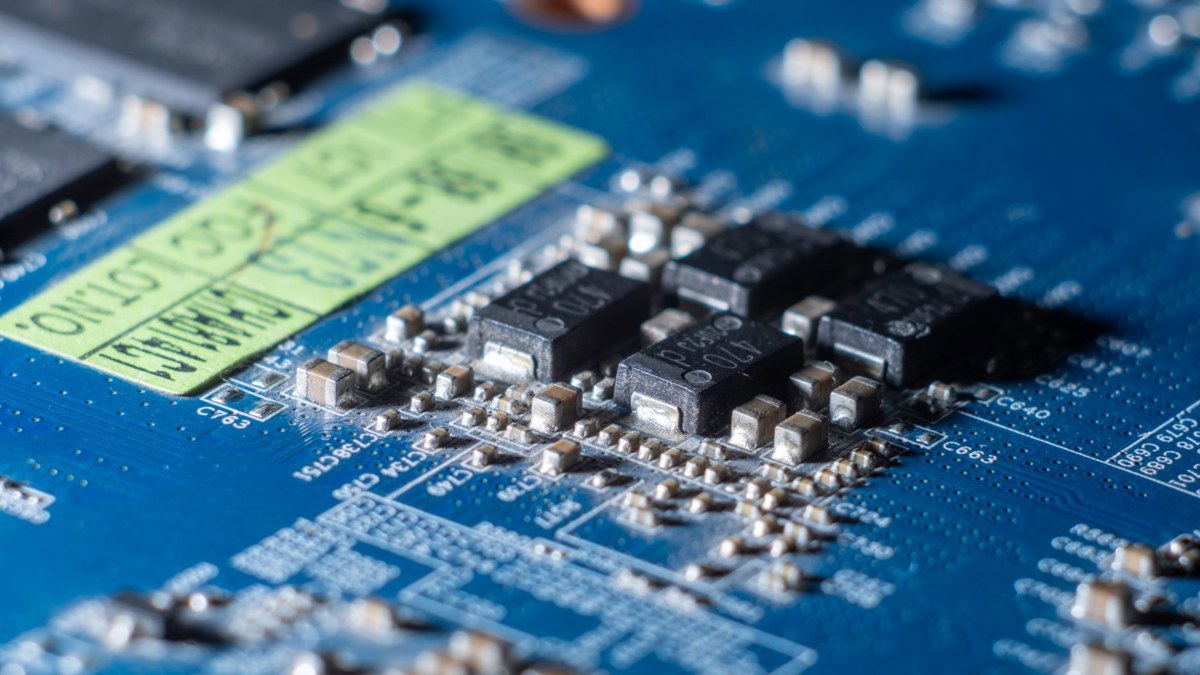
Cover photo by Ivan Chumak on Pexels, used under the Pexels License.


Comments (0)
Leave a Comment