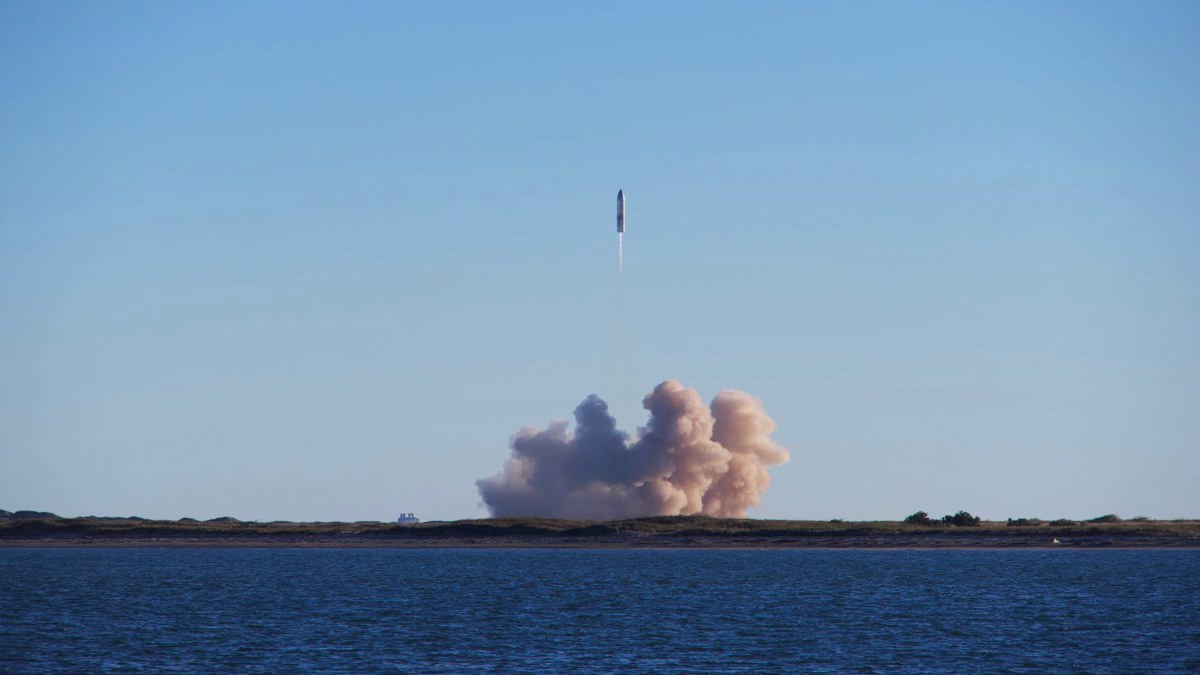
China recovers Long March-10B booster with sea-based net capture
China recovered a Long March-10B first stage at sea, marking its first controlled reusable rocket booster landing.


China has reported its first successful controlled recovery of a reusable rocket stage, a space-technology milestone that puts the country's state-backed launch program closer to the cost-saving playbook pioneered by reusable boosters in the United States.
The Long March-10B lifted off from Hainan on July 10 at 12:15 p.m. local time, placed a satellite into orbit, and then returned its first stage to a sea-based platform. According to CNA's report, citing China's space agency, the booster was recovered with a net-capture system rather than landing legs. The agency described the flight as China's first controlled recovery of a carrier rocket first stage and the world's first at-sea net-based rocket recovery.
Why the recovery matters
Reusable first stages are important because they contain much of a launch vehicle's propulsion hardware and cost. Traditional expendable rockets discard those stages after one flight, while reusable systems aim to inspect, refurbish and fly major components again. If China can make the Long March-10B recovery process repeatable, it could lower the cost of launching satellites and give the country more flexibility as it builds communications constellations, commercial launch services and future crewed exploration systems.
The net-capture approach is also notable because it avoids some of the mass and mechanical complexity of landing legs. CNA quoted China Academy of Launch Vehicle Technology expert Chen Muye as saying the method could simplify the rocket's onboard structure and reduce weight, which in turn may improve payload capacity and operational efficiency. That advantage still has to be proven across repeated missions, but the test gives engineers real flight data from launch, stage separation, descent, capture and securing at sea.
A new phase in launch competition
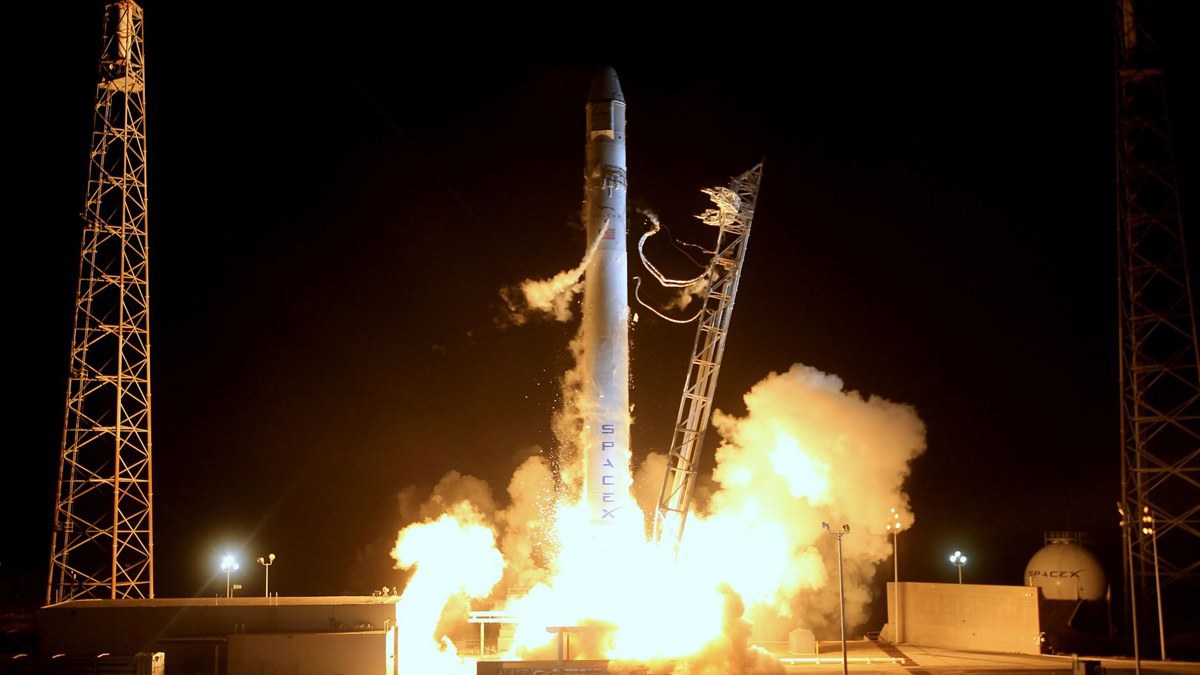
The achievement does not mean China has matched the cadence or reuse record of SpaceX, which has spent years refining booster landings and reflying Falcon 9 hardware. It does, however, move the Long March program from recovery experiments toward a more practical demonstration of reusability. The Long March-10 family is also tied to China's broader space ambitions, including future crewed missions to the Moon, making the technology relevant beyond a single commercial launch.
The next test is consistency. A first recovered booster is a breakthrough; a reliable reusable launch system requires inspections, refurbishment workflows, launch-site operations and repeated flights that remain economical. Still, the July 10 mission gives China's launch sector a visible entry point into the reusable rocket era and adds another serious competitor to the global race for cheaper access to orbit.
Sources
Cover photo by Forest Katsch on Pexels, used under the Pexels License.


Comments (0)
Leave a Comment