
Google's June AI roundup ties Gemini updates to Android 17, local models and translation
Google's July 1 AI roundup highlights Android 17, Gemma 4 12B, Gemini 3.5 Live Translate and broader device-level AI.


Google has bundled a wide set of June AI announcements into a single July 1 roundup, showing how the company is spreading Gemini-era features across phones, developer tools, education products, research workflows and home devices rather than keeping them inside one chatbot.
The most consumer-facing pieces are Android 17 and Pixel updates. Google says Android 17 adds floating app windows for multitasking, picture-in-picture Screen Reactions, foldable gaming layout improvements and new security options, including biometric locking for a missing phone. The company says the Android 17 rollout starts with Pixel devices and then moves to other eligible Android devices through 2026. A separate June Pixel Drop adds more Gemini upgrades, expanded real-time voice translation, custom voicemail greetings and automated emergency notifications.
AI shifts from app feature to device layer
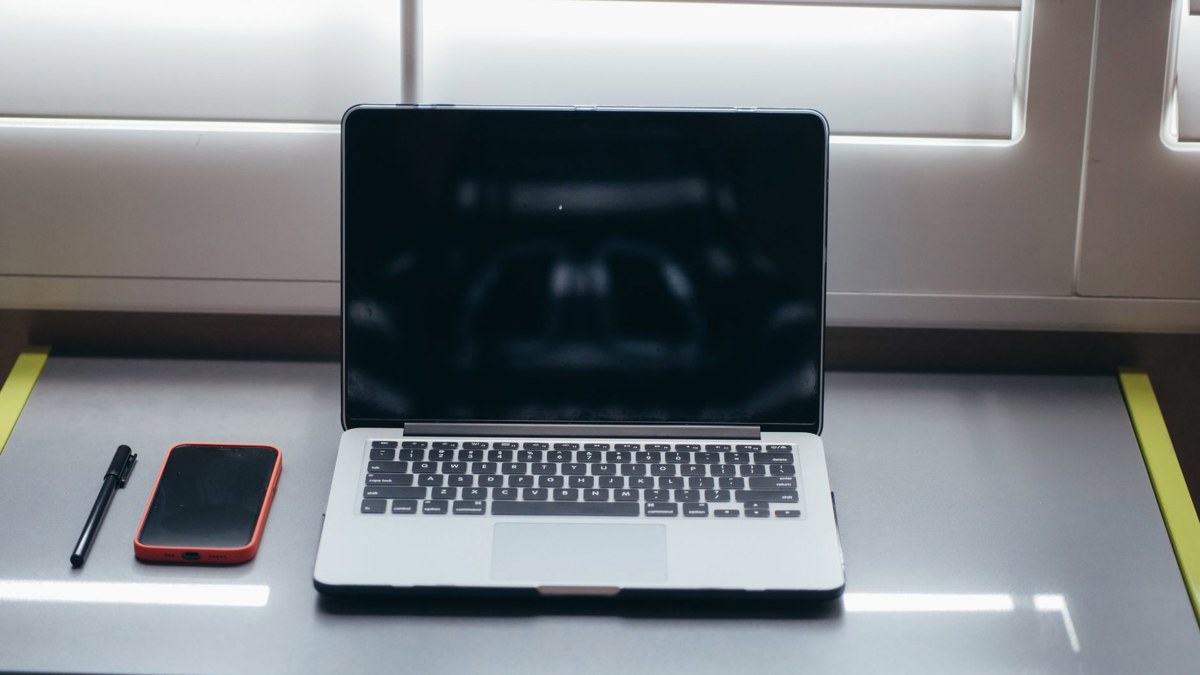
The developer side of the roundup points in the same direction. Google says Gemma 4 12B can run locally on a laptop with 16GB of memory while combining vision and native voice processing. It also says Gemini 3.5 Flash now includes computer-use capabilities so agents can observe, reason and act across desktop, mobile and browser environments. Google is positioning those tools for long-running automation such as software testing and enterprise knowledge work.
Translation is another major thread. Gemini 3.5 Live Translate is described as a speech-to-speech model that automatically detects more than 70 languages, preserves natural intonation and reduces pauses. Google says it is rolling out through the Gemini Live API, Google AI Studio and the Google Translate app.
Why it matters
The roundup is less about one isolated launch than a product strategy: AI is being embedded into operating systems, devices, APIs and productivity surfaces at the same time. That matters for users because features such as local models, multilingual calls and more conversational smart-home controls may become part of routine computing. It also matters for developers and IT teams because agentic tools that can operate across apps create new automation opportunities and new governance questions.
- Google says Android 17 will reach Pixel devices first, then other eligible Android hardware during 2026.
- Gemma 4 12B is presented as a local model for everyday laptops with 16GB of memory.
- Gemini 3.5 Live Translate is being rolled out through developer tools and Google Translate.
As with many platform roundups, the exact impact will depend on device support, regional availability and how quickly third-party developers adopt the new APIs. Still, the July 1 post gives a clear snapshot of Google's current AI agenda: make Gemini capabilities feel less like a destination and more like infrastructure running underneath everyday tasks.
Sources




Comments (0)
Leave a Comment