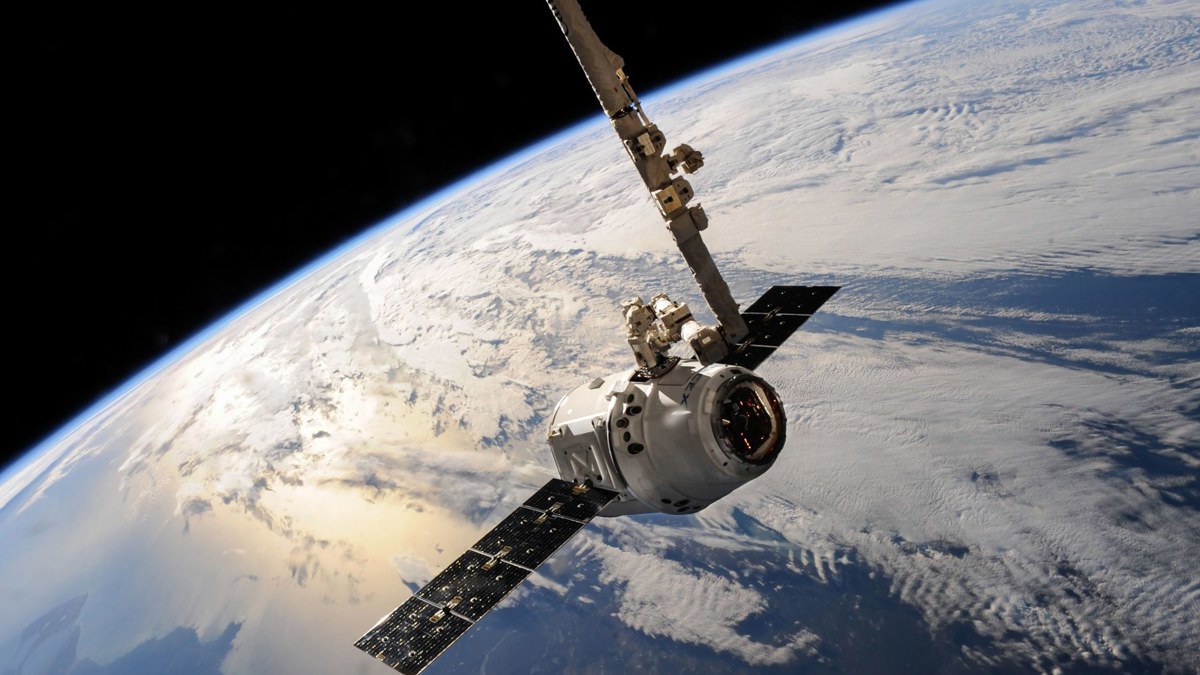
Google's Project Suncatcher prototype satellite reaches orbit for AI compute tests
Google's Project Suncatcher satellite reached orbit to test how TPUs handle spaceflight stress, radiation and heat.


Google says its Project Suncatcher prototype satellite has reached orbit, moving an ambitious AI infrastructure idea from research paper to real flight data. The company said the satellite, built with Planet, launched aboard SpaceX's Transporter 18 rideshare mission and has already made contact with the ground team.
The goal is not to run a data center in space tomorrow. Google describes this as the first hardware test for a longer research program that asks whether future machine learning systems could use solar powered orbital infrastructure. Over the coming weeks, the team plans to study how its Tensor Processing Units handle spaceflight stress, radiation exposure, and thermal extremes.
Why this test matters
AI infrastructure is running into hard physical constraints on Earth. Large data centers need power, cooling, land, grid connections, and long construction timelines. A space based compute platform would face its own severe limits, including launch cost, maintenance, communications latency, and hardware reliability. Still, orbit offers abundant sunlight and a very different operating environment, which explains why Google is collecting real measurements instead of treating the idea as a slide deck exercise.
For readers who follow AI infrastructure, the practical signal is that major labs are widening their search for compute capacity. The near term value is likely in materials, systems engineering, and reliability data, not commercial cloud capacity. If TPUs behave predictably after launch and during early operation, Google gets evidence for the next design cycle. If they do not, the failure modes may be just as useful.
What to watch next
The key follow up is whether Google publishes concrete in orbit results from this prototype. Useful details would include TPU performance stability, error rates, thermal behavior, and the engineering cost of shielding or redundancy. Those numbers will decide whether Project Suncatcher remains an interesting research moonshot or becomes a credible option for specialized AI workloads.
CyberOGZ sees the launch as a reminder that AI scaling is no longer only a model design story. Compute strategy now includes chips, power markets, networking, and in this case orbital systems. The sensible decision rule is simple: treat this as an infrastructure experiment with high upside and high uncertainty, not as evidence that space based AI compute is ready for buyers.
Sources
Cover photo by SpaceX on Pexels, used under the Pexels License.





Comments (0)
Leave a Comment