NVIDIA AIPerf targets more realistic LLM inference benchmarking
NVIDIA AIPerf gives AI teams a multiprocess benchmark client for realistic LLM inference load, latency, and GPU telemetry.


NVIDIA has published AIPerf, a new benchmarking tool for teams measuring generative AI inference under realistic load. The company describes it as the successor to GenAI-Perf, with a ground-up architecture meant to stop the test client from becoming the bottleneck before the model server is truly stressed.
What changed
The practical shift is in how load is generated and measured. NVIDIA says AIPerf uses worker processes to generate requests, separate services to process results, and ZMQ coordination between them. That matters because single-process benchmark clients can hit Python concurrency limits before they expose the real capacity of an inference stack.
The tool supports more than 15 endpoint types, including chat, responses, embeddings, audio, image generation, and NIM rankings. It can run synthetic workloads, public datasets such as ShareGPT, and trace replay formats from providers including Mooncake, Baseten, and WEKA AgentX. AIPerf also reports time to first token, inter-token latency, request latency, and output-token throughput, with percentile views such as p50, p90, p95, and p99.
Why it matters
For teams deploying AI assistants, the average latency number is rarely enough. A model endpoint can look acceptable in a light test while failing during traffic bursts, long prompts, or simultaneous decode work. AIPerf lets engineers shape arrivals with constant, Poisson, and gamma patterns, then compare how latency spreads as requests compete for GPU time.
NVIDIA's walkthrough uses Qwen3-0.6B on vLLM and shows two useful controls. A static run pins both input and output at 128 tokens, while a second run uses a Poisson arrival pattern at an average of 10 requests per second with 512-token average inputs and variable output lengths. That kind of repeatable contrast is more useful for capacity planning than a one-off script, because it links the test shape to user-facing behavior.
What to watch
The CyberOGZ read is simple: AIPerf is less about chasing a headline benchmark and more about making AI infrastructure decisions defensible. Teams choosing between model sizes, serving engines, GPU counts, or caching approaches need tail latency and throughput under traffic that resembles their own product. AIPerf can help create that evidence, but the numbers will still depend on honest workload design. A clean dashboard does not fix a test that ignores real prompt length, burstiness, or streaming behavior.
The tool is available through the public ai-dynamo GitHub repository, which lists an Apache 2.0 license and documents quick-start usage. NVIDIA also notes optional telemetry integrations and GPU metrics when DCGM or pynvml is available, which should make it easier to connect latency spikes with utilization or memory pressure during a benchmark run.
Sources
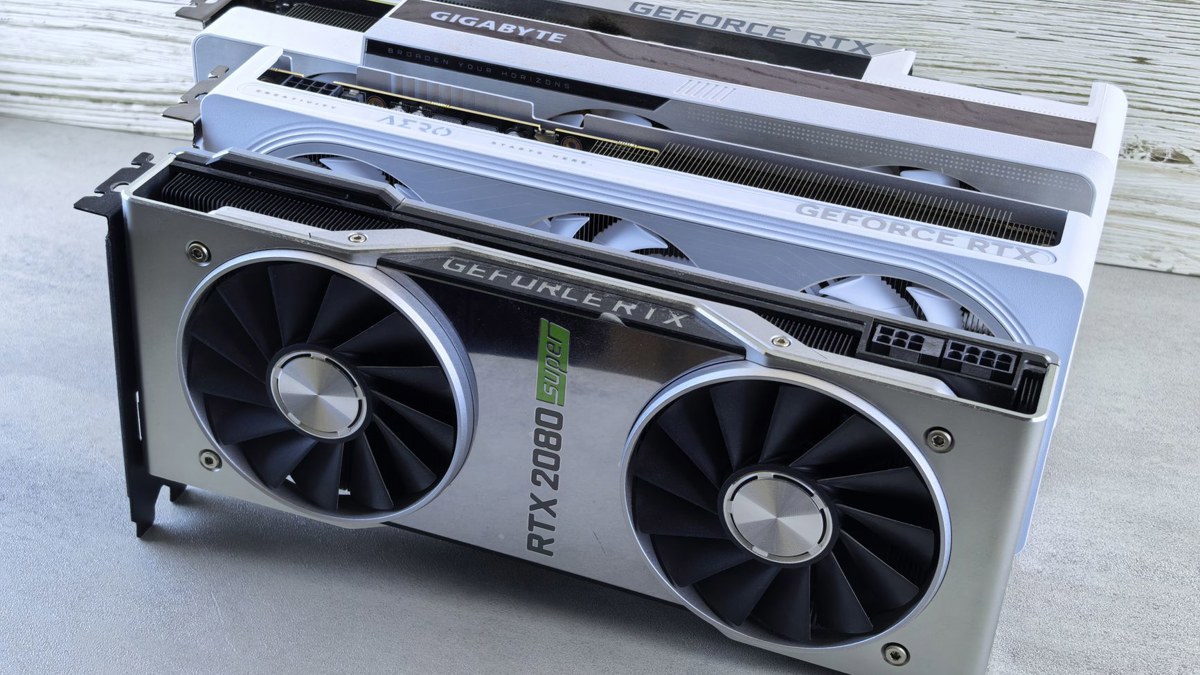
Cover photo by Andrey Matveev on Pexels, used under the Pexels License.





Comments (0)
Leave a Comment