NVIDIA says Skild S1 teaches robots new long tasks from one video prompt
NVIDIA says Skild AI's S1 robot model learns long factory tasks from one video prompt, cutting retraining friction.


NVIDIA says Skild AI is using its physical AI stack to move a new robotics foundation model, S1, from research demos into industrial deployment. The concrete claim is narrow but important: Skild says S1 can learn previously unseen, long horizon manipulation tasks from a single video demonstration, without changing model weights or running task specific post training.
The model was introduced by Skild in August, but NVIDIA's September 10 update adds the deployment frame. The companies say Skild built S1 on NVIDIA AI infrastructure and is using tools across synthetic data generation, model training, simulation and real world deployment. For factories, warehouses and kitchens, that matters because many robots are still economical only when tasks are stable and carefully programmed.
What Changes For Robot Workflows
S1 uses video as the task prompt. An operator records the desired job, then the model interprets the intent, objects and sequence and maps them to the robot in front of it. Skild says the same model weights produced its examples, including plant potting, pancake making, pour over coffee brewing and kit assembly. Some tasks ran up to 10 minutes and involved dozens of manipulation steps.
The most useful detail is the cost of adaptation. In one plant potting test, Skild says the move from recording the demonstration to autonomous hardware execution took 11 minutes. In its internal unseen task benchmark, Skild reported a 66 percent per step success rate for S1 at 100,000 hours of pretraining data, compared with 9 percent for a language prompted VLA policy trained on the same data and compute. It also estimated that one video demonstration provided roughly the same effect as about 380 hands on training examples, which it said could take 50 to 100 hours to collect manually for long horizon tasks.
Why It Matters
The CyberOGZ read is that the interesting boundary is not whether S1 can make a strong demo video. It is whether single demonstration setup changes the deployment math. If a robot still needs hours of engineering whenever a product, part tray or kitchen process changes, flexible automation remains a premium project. If short video prompting holds up under customer conditions, more teams can treat robots as tools that adapt to the workday instead of machines that require a new integration cycle for every variation.
There are limits in the evidence. The benchmark is internal, the success rate is per step, and Skild itself notes that post training eventually passed single shot prompting with enough demonstrations. Readers should watch for independent evaluations, safety validation and maintenance data from live deployments. NVIDIA and Skild say the system is already tied to commercial work, including dual arm manipulation for NVIDIA Blackwell system assembly with Foxconn, plus planned or active work in manufacturing, logistics, inspection, security and food preparation.
Sources
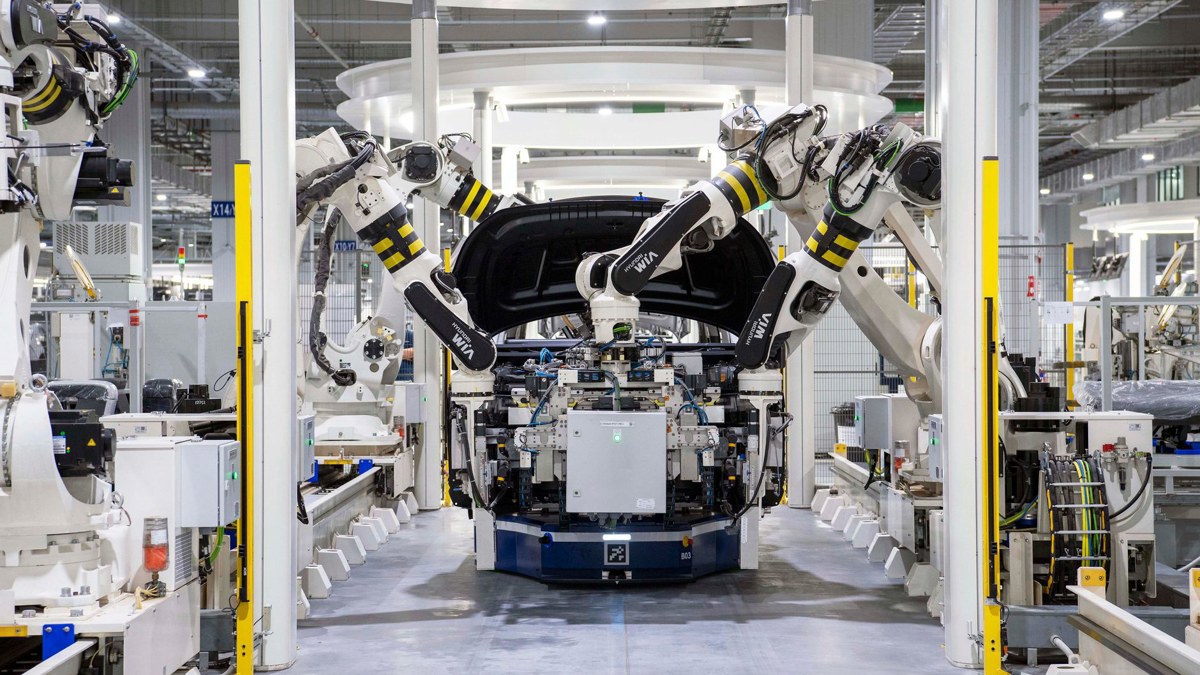
Cover photo by Hyundai Motor Group on Pexels, used under the Pexels License.

Comments (0)
Leave a Comment