Huawei racketeering trial opens in New York as telecom security fight returns to court
Huawei faces a New York racketeering trial tied to telecom security, sanctions and trade secret allegations.


Huawei Technologies faces a criminal racketeering trial in New York, with jury selection scheduled to begin Tuesday, according to the Associated Press. The case puts an older U.S. enforcement action back in the foreground at a moment when telecom infrastructure, sanctions compliance and chip supply chains are again tied closely to national security policy.
AP reports that prosecutors accuse Huawei and some subsidiaries of stealing technology, plotting to steal U.S. trade secrets and committing wire and bank fraud. The indictment also alleges business with North Korea despite U.S. sanctions and surveillance equipment installed in Iran that helped authorities monitor protesters during 2009 demonstrations. Huawei lawyers have sought dismissal, arguing in court filings that the U.S. allegations were vague, reached too far outside U.S. territory and did not properly support domestic wire and bank fraud claims.
Why this matters beyond the courtroom
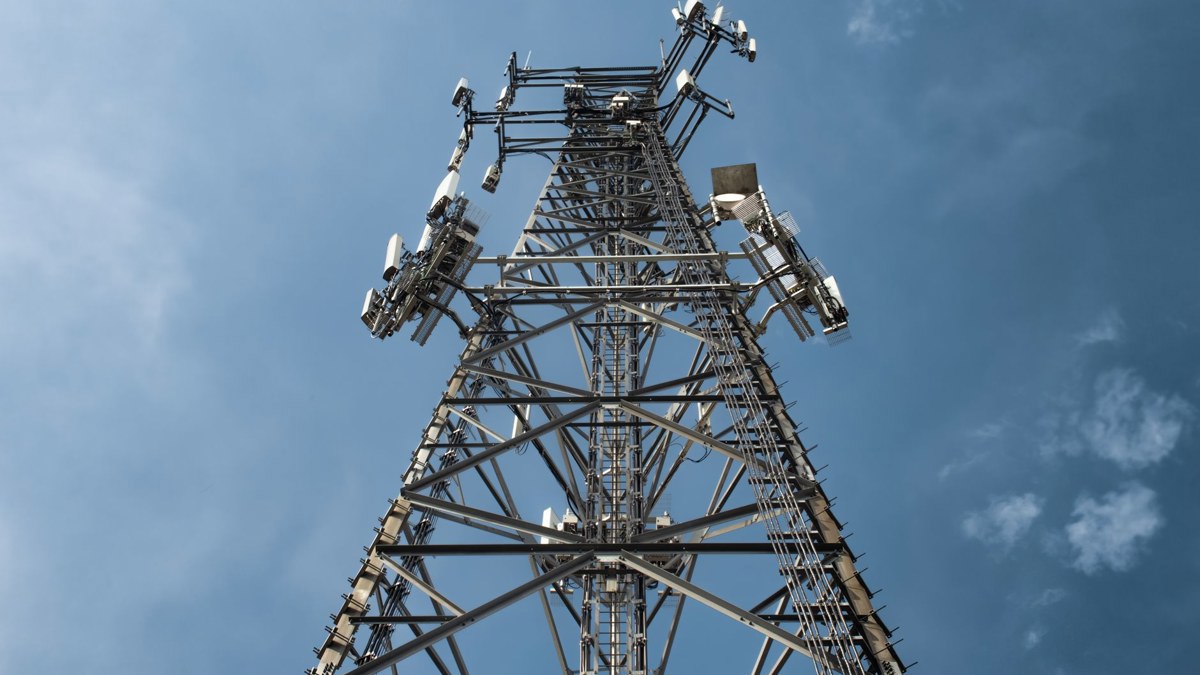
The trial is not only about past conduct. Huawei remains the world's largest supplier of wireless telecom network equipment, AP says, while U.S. carriers are barred from buying its gear because of security concerns. Similar pressure from Washington helped push allies including Canada and Britain away from Huawei equipment in next generation networks.
For network operators and governments, the practical issue is vendor trust. Telecom gear becomes part of national infrastructure for years, so unresolved questions about sanctions, surveillance or trade secret theft can shape procurement long after a product generation changes. CyberOGZ reads this as a reminder that supply chain risk is not limited to technical vulnerabilities. Legal exposure, export controls and geopolitical pressure can become operational risks for any organization depending on contested vendors.
What to watch next
The case also lands as Huawei has been rebuilding around domestic technology after U.S. sanctions limited access to many American chips and related tools. AP notes that the company has expanded into chipmaking as AI demand drives interest in microprocessors. That makes the trial relevant to both telecom buyers and AI infrastructure watchers, since restrictions on one part of the stack can push companies to develop alternatives elsewhere.
The near term signal will come from what prosecutors can prove in court, not from the headline allegations alone. Readers should separate three questions: whether the criminal case succeeds, whether governments change procurement rules because of it, and whether Huawei's chip strategy gains more urgency as a response to long running technology controls.
Sources
Cover photo by Edouard Matte on Pexels, used under the Pexels License.


Comments (0)
Leave a Comment