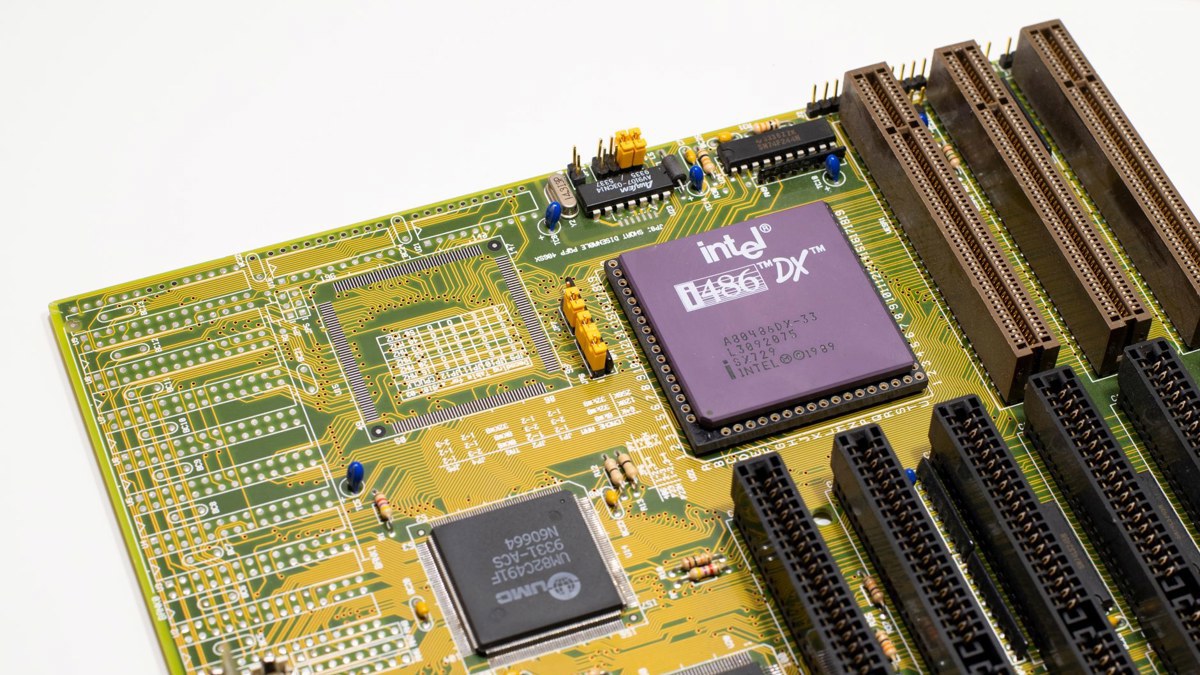
Lattice closes AMI acquisition to expand secure AI infrastructure control stack
Lattice completed its AMI acquisition, pairing FPGA control hardware with firmware for secure AI infrastructure management.


Lattice Semiconductor has completed its acquisition of AMI, bringing a major firmware and platform-management supplier under one of the few independent FPGA vendors focused on low-power control silicon. The company said on July 27, 2026 that the deal, first announced in May, is intended to create a broader secure management and control platform for systems that need to boot, monitor and protect increasingly complex hardware.
Why the deal matters
AMI is best known for firmware and infrastructure manageability software used across server, enterprise and embedded computing platforms. In modern AI servers, that layer is not just background plumbing. Before accelerators train a model or a cloud node joins a cluster, firmware and management controllers handle boot integrity, hardware telemetry, remote updates, recovery and administrative access. Weaknesses in that control plane can become a security and reliability problem for the entire system.
Lattice is positioning the acquisition around that control-plane problem. Its low-power FPGAs already sit close to boards, sensors and management interfaces in data-center, industrial and edge systems. Adding AMI gives the company a software and firmware stack that can be paired with programmable hardware for secure boot, platform monitoring, attestation and lifecycle management. The company describes the combined portfolio as a more complete foundation for secure management and control in AI infrastructure and other mission-critical computing environments.
From announced deal to integration
The acquisition was announced in May with total consideration of $1.65 billion, made up of $1.0 billion in cash and about $650 million in Lattice common stock, subject to customary adjustments. AMI was expected to generate more than $200 million in revenue in 2026, according to Lattice's original transaction materials. THL Partners, which held a majority investment in AMI, said it will retain an equity ownership interest in Lattice after the sale.
The strategic question now is how quickly Lattice can turn ownership into products rather than simply a larger catalog. The most compelling use case is a joined-up platform where hardware root-of-trust components, programmable control logic, firmware, BMC assets and management software are designed together for AI servers and distributed infrastructure. That could appeal to equipment makers facing stricter requirements around supply-chain trust, field updates and serviceability.
- The transaction expands Lattice beyond silicon into a larger firmware and manageability footprint.
- AI data centers are making server control planes more important because systems are denser, more modular and more frequently updated.
- The deal also gives Lattice a deeper route into OEM and platform relationships where AMI firmware is already present.
The company did not announce new products with the close, so customers should expect integration work to unfold over time. Still, the acquisition is a notable hardware-software consolidation move at the infrastructure layer behind AI computing, where secure management is becoming as important as raw accelerator performance.
Sources
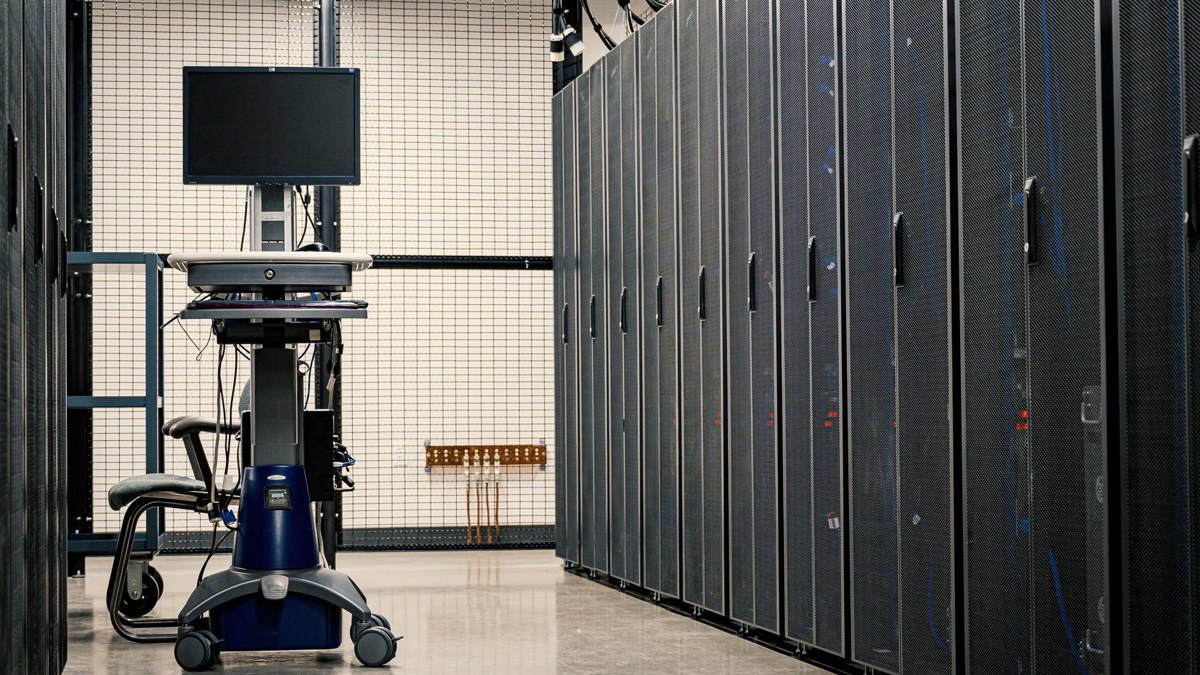
Cover photo by Nicolas Foster on Pexels, used under the Pexels License.


Comments (0)
Leave a Comment