Microsoft expands Azure AI infrastructure with AMD Helios and new EPYC virtual machines
Microsoft and AMD expanded their Azure partnership with Helios AI racks and new EPYC-based VMs for inference and HPC.


Microsoft and AMD are expanding their cloud infrastructure partnership with a new Azure rollout aimed at the heaviest parts of the AI stack: inference, data preparation, agent coordination and chip-design simulation.
In a July 20 announcement, Microsoft said Azure will add three upcoming offerings built around AMD technology. The list includes HDv2 virtual machines for AI data systems, HXv2 virtual machines for electronic design automation and technical computing, and ND MI455X v7 virtual machines for large-scale AI inference. AMD separately said Microsoft will deploy its Helios rackscale system, combining AMD Instinct MI455X GPUs, EPYC Venice CPUs, Pensando networking and ROCm software.
Why it matters
The announcement is another sign that major cloud providers are broadening AI infrastructure beyond a single accelerator vendor or a single kind of workload. Microsoft framed the move as part of a heterogeneous Azure strategy: specialized CPUs for feeding and coordinating AI pipelines, high-performance systems for semiconductor engineering, and GPU-rich racks for production inference.
The HDv2 systems are designed for data-heavy AI workflows such as preparation, search, reinforcement learning and agent coordination. Microsoft said the configuration includes nearly 500 physical 6th Gen AMD EPYC CPU cores, 4 terabytes of RAM, 32 terabytes of local NVMe storage and 400 Gb Azure Boost networking. For chip designers and other high-performance computing users, HXv2 is set to use 176 6th Gen EPYC CPU cores, clock speeds above 5 GHz, more cache per core, memory options near 2 or 4 terabytes, and 800 Gb InfiniBand.
The inference side centers on ND MI455X v7, powered by AMD's Helios rackscale platform. AMD said Helios shipments to customers, including Microsoft, are expected to begin in the second half of 2026. The companies positioned the deployment for frontier model inference, Azure AI services and customer applications, while also extending AMD Pensando data processing units into Azure networking.
For Azure customers, the practical impact is not immediate availability of every system, but a clearer roadmap for where Microsoft intends to place AMD silicon inside its AI cloud. It also gives AMD a high-profile hyperscale customer for its next-generation AI platform as cloud buyers look for more compute options amid rising demand for inference and agentic workloads.
Sources
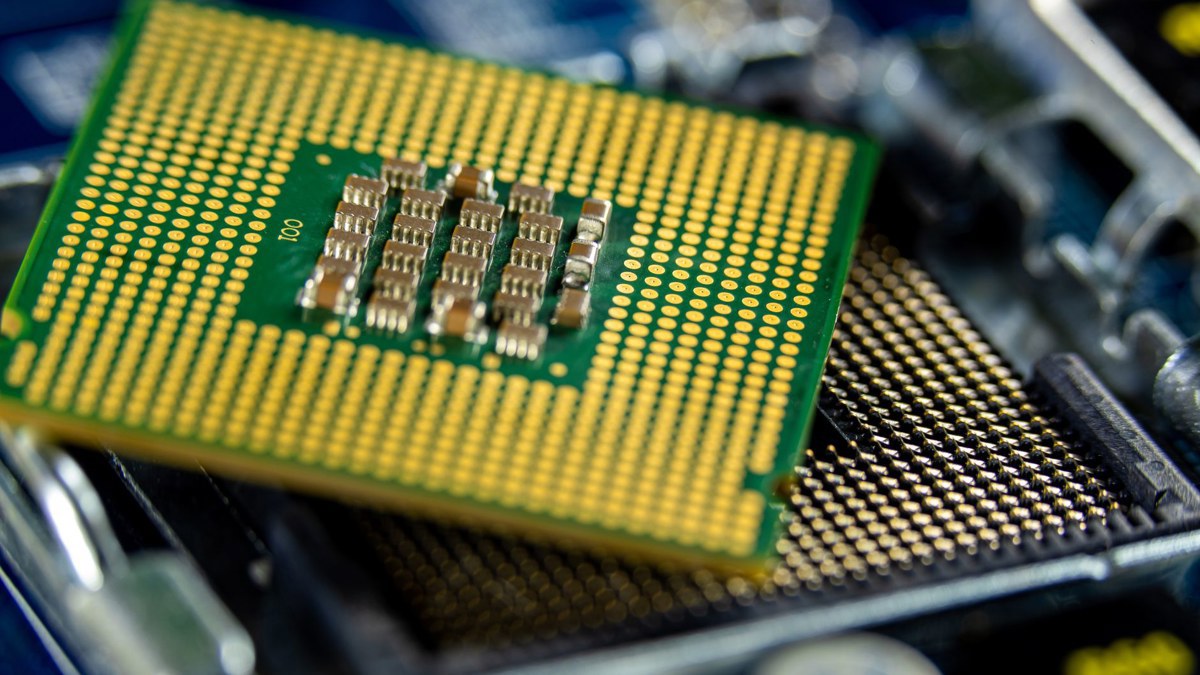
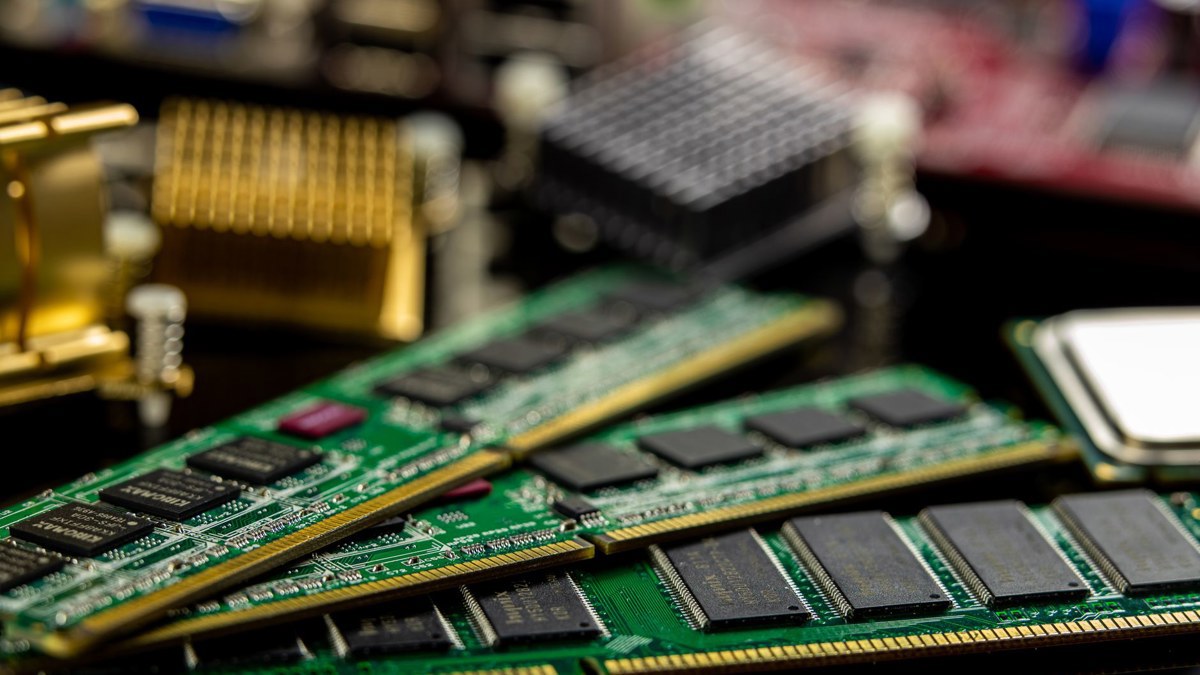
Cover photo by Sergei Starostin on Pexels, used under the Pexels License.

Comments (0)
Leave a Comment