Samsung shows zHBM and zNAND-O concepts for denser AI memory at FMS 2026
Samsung presented zHBM and zNAND-O concept memory architectures at FMS 2026 for future AI data center systems.


Samsung used the Future of Memory and Storage 2026 conference to outline a more vertical future for AI infrastructure memory, introducing concept models for zHBM and zNAND-O while framing both as responses to the bandwidth, capacity, power and heat limits now shaping accelerator design.
The most eye-catching piece is zHBM, a proposed architecture that stacks high-bandwidth memory directly above an AI accelerator instead of placing HBM packages beside the processor. Samsung says the shorter signal paths and wafer-bonded structure could deliver up to eight times the performance of HBM5, more than ten times the memory density, roughly three times the energy efficiency and a reduction of thermal resistance by more than half. Those are company projections for a concept model, not shipping product specifications, but they show where Samsung thinks memory packaging has to move as AI models push data closer to compute.
Samsung also described zNAND-O, a NAND-based memory concept positioned for AI workloads that need faster access to large data sets than conventional storage can usually provide. The company connected the work to a broader lineup at FMS that included HBM, V-NAND, enterprise SSDs and advanced packaging demonstrations for data-center and high-performance computing customers.
Why it matters
AI infrastructure bottlenecks are increasingly about moving data rather than only adding more compute. HBM has become a critical component for GPUs and custom accelerators, but it brings tight packaging, power and thermal constraints. A vertical stack above logic could save board area and improve bandwidth, yet it also raises difficult questions about heat extraction, yield, manufacturability and repairability. Samsung's FMS message is that future memory systems may need to be designed as part of the accelerator package, not merely attached around it.
- Category: Hardware, with direct implications for AI data centers.
- Status: Samsung presented concept models and roadmap direction, not a commercial launch date.
- Key claim: zHBM is intended to stack HBM over AI accelerators to improve density, performance and energy efficiency.
The announcement also lands amid intense competition among memory suppliers to define what follows today's HBM roadmap. For cloud operators and chip designers, the practical question will be whether vertical memory can improve real workload economics without creating new thermal or supply-chain tradeoffs. Samsung has not yet turned zHBM or zNAND-O into purchasable parts, but the disclosure gives the market a clearer signal that 3D integration is becoming central to the next wave of AI hardware design.
Sources
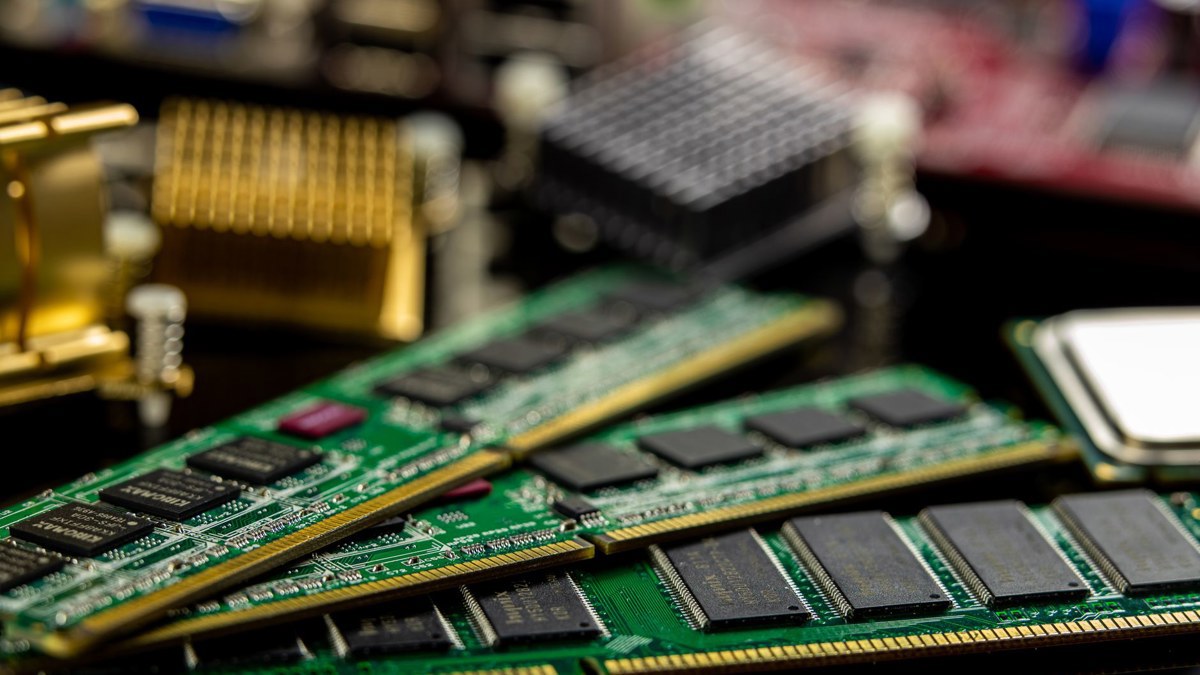
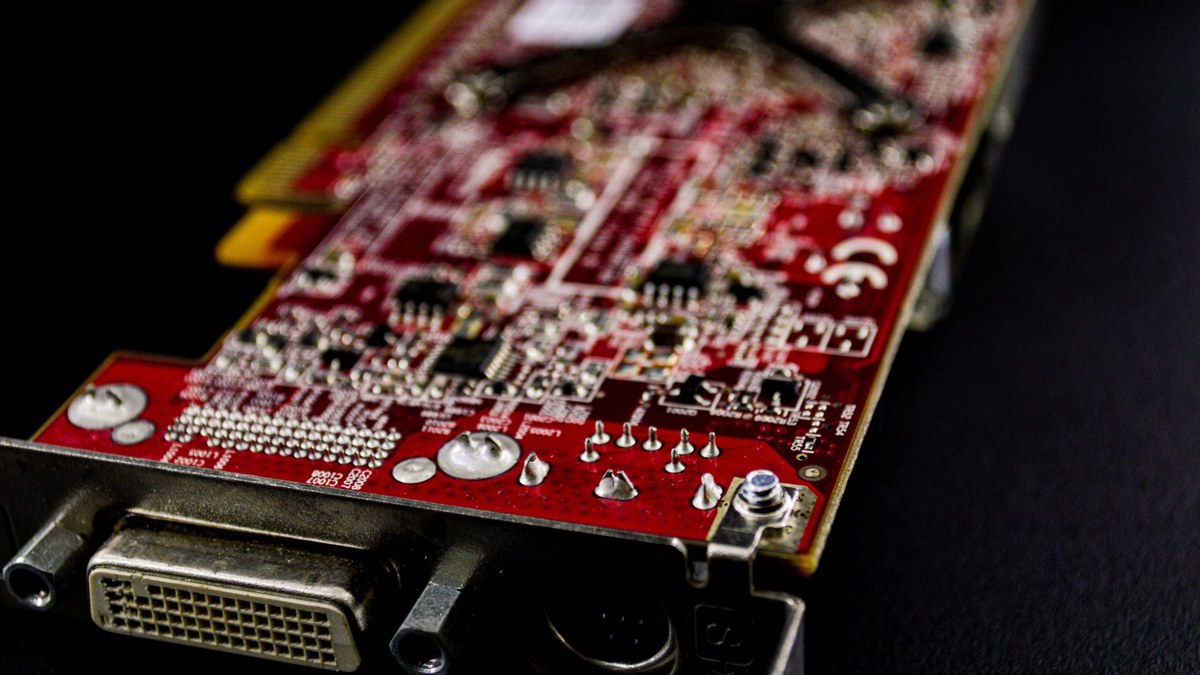
Cover photo by Sergei Starostin on Pexels, used under the Pexels License.


Comments (0)
Leave a Comment