Commerce signs $874 million in CHIPS R&D letters for next-generation compute supply chain
Commerce signed CHIPS letters of intent for up to $874 million in semiconductor R&D tied to AI compute infrastructure.


The U.S. Department of Commerce has signed letters of intent with seven companies for up to $874 million in CHIPS and Science Act incentives aimed at semiconductor research and development for advanced computing and AI infrastructure.
The announcement, released by the National Institute of Standards and Technology on July 29, says the proposed incentives are meant to accelerate domestic work in integrated photonics, new compute architectures, advanced packaging, substrates, materials and memory. The agency framed the awards as a compute supply chain effort rather than a conventional chip fabrication subsidy, with projects focused on technologies that could improve bandwidth, energy efficiency and trust in future AI systems.
Where the funding would go
GlobalFoundries is slated for the largest potential award, up to $300 million, to accelerate domestic research and development of co-packaged optics by two to three years. Co-packaged optics place optical links closer to processors, a design direction seen as important for moving data through AI clusters with less power and latency.
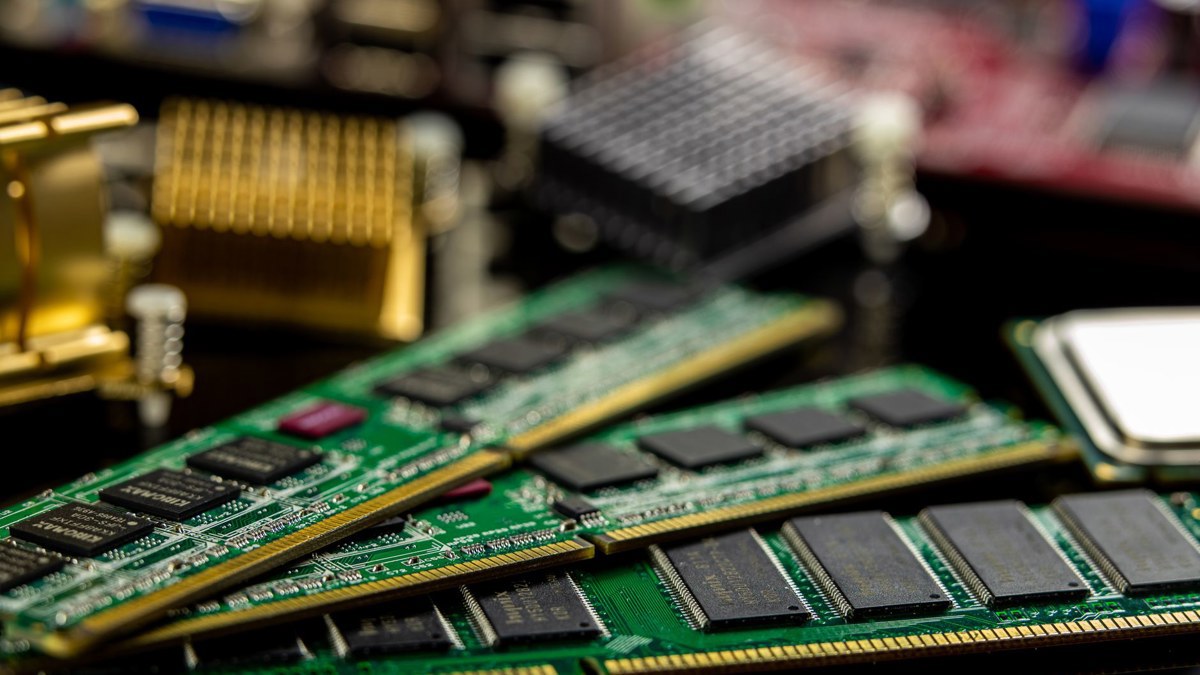
Kepler would receive up to $245 million for U.S.-based work on high-performance AI memory using 3D and ferroelectric technologies. Multibeam Corporation is in line for up to $140 million to develop advanced packaging methods for assembling and stacking chips with thousands of interconnects.
- Extropic: up to $75 million for thermodynamic sampling units intended for simulation, optimization and AI workloads.
- Thintronics: up to $50 million for low-loss inter-layer dielectrics used in advanced packaging and networking infrastructure.
- OBSIDIA Semiconductors: up to $34 million for non-invasive systems that identify counterfeit or malicious components.
- Aeluma: up to $30 million for large-diameter substrate technology for photodetectors and lasers used in AI photonic interconnects.
Why it matters
The letters of intent are not final awards. Commerce said the companies must still go through further diligence and approval before funding is completed. If finalized, the government will receive a minority, non-controlling equity stake in each company as a condition of the incentives.
The package is notable because it targets bottlenecks around AI compute rather than only expanding wafer output. Faster interconnects, denser memory, better packaging and counterfeit detection all influence whether large AI systems can be built securely and efficiently in the United States. For chipmakers and cloud infrastructure operators, those technologies can matter as much as the processors themselves, especially as AI clusters become limited by power, bandwidth and supply chain assurance.
Sources
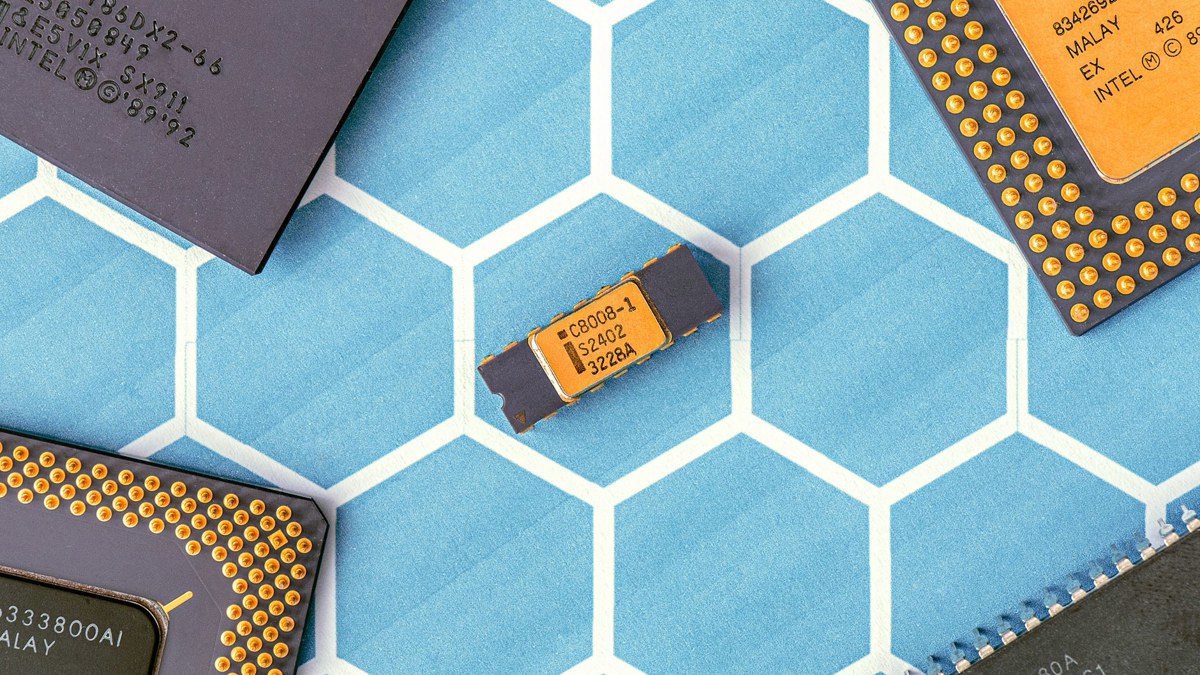
Cover photo by Jonas Svidras on Pexels, used under the Pexels License.

Comments (0)
Leave a Comment