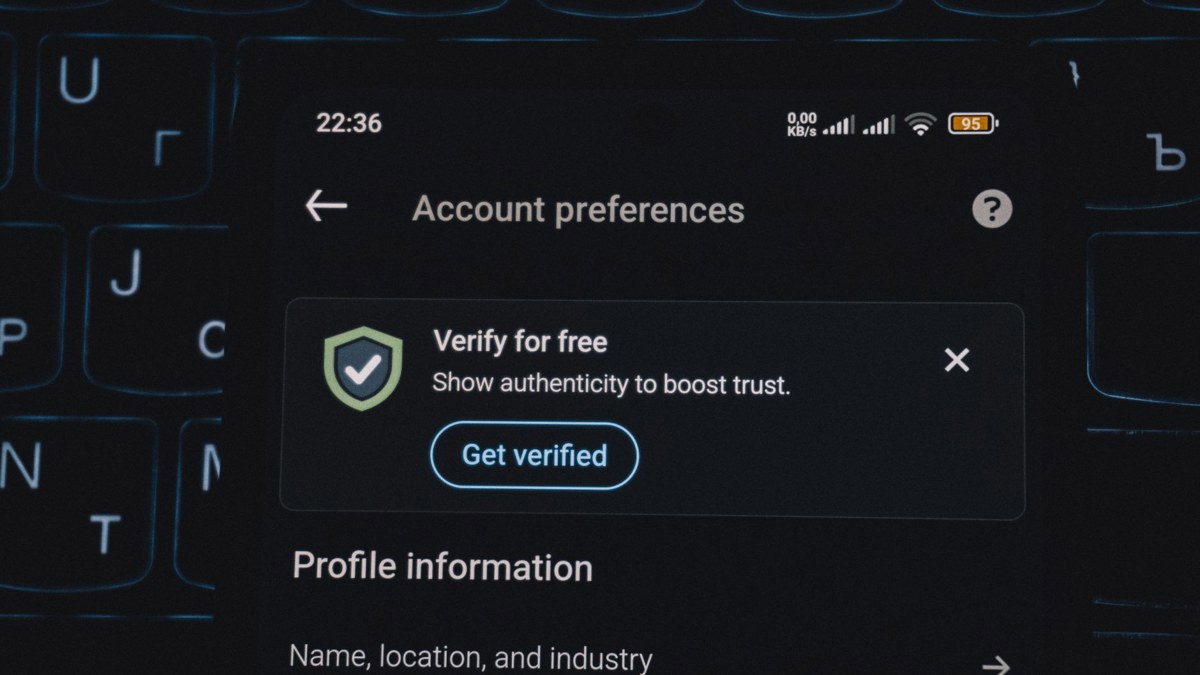
Meta launches a free Facebook Verified badge for real-person profiles
Meta is rolling out a free Facebook Verified badge using selfie checks to identify real-person profiles across key features.


Meta is adding a new no-cost verification badge for Facebook profiles, a move aimed at making real-person identity easier to spot as AI-generated profiles, messages, and listings become harder to evaluate at a glance.
The company announced Facebook Verified on July 24, saying the badge will confirm that an account belongs to a real person who completed a selfie-based check and met trust and safety requirements. Unlike Meta Verified, which is sold as a subscription bundle for creators and businesses, the new Facebook Verified badge is free for eligible personal profiles.
How the new badge works
According to Meta, users complete the process by recording a short video selfie. Facebook compares that clip with existing profile photos to confirm a match, and Meta says the process typically takes a few minutes. The company says eligible users must be at least 18 years old, in good standing, and have no evidence of inauthentic behavior. The badge is not available for Pages or ProMode accounts.
The first placement areas show why Meta is prioritizing identity signals now. Verified badges will initially appear in Marketplace, Dating, Groups, and on profiles, with Feed post badges planned later. Those are spaces where users often decide whether to buy from someone, respond to a dating profile, or trust a participant in a community discussion.
Why it matters
The product is not a guarantee that an account is trustworthy. Meta says the badge means a profile completed verification and meets baseline standards, while users remain covered by Facebook's community and commerce policies. That distinction matters because scammers can still manipulate conversations even when an account appears authentic.
Still, a visible, free identity marker could change how Facebook users judge low-context interactions. Marketplace has long been a place where buyers and sellers rely on sparse profile clues, and Groups can draw spam or impersonation attempts around popular topics. Dating adds another layer of risk because users are often deciding whether to move a conversation offline.
The rollout will start in select markets before expanding globally. Meta has not published a full country list or timeline, so users should expect uneven availability at first. The broader signal is clear: major social platforms are trying to separate human identity from AI-assisted and automated activity without requiring every user to pay for verification.
Sources
Cover photo by Zulfugar Karimov on Pexels, used under the Pexels License.







Comments (0)
Leave a Comment