Rocket Lab launches 13th Synspective StriX radar satellite on Electron
Rocket Lab launched its 97th Electron mission, placing Synspective's 13th StriX radar satellite into a 559 km orbit.


Rocket Lab launched another dedicated Electron mission for Synspective on September 26, adding a 13th StriX satellite to the Japanese operator's synthetic aperture radar constellation. The mission, named Owlright Owlright Owlright, lifted off from Launch Complex 1 in Mahia, New Zealand, at 12:39 p.m. NZST and placed the satellite into a 559 km low Earth orbit.
The practical point is not just that another small rocket reached orbit. Synspective is building an imaging network that can observe the ground through clouds and at night, which makes launch cadence a central part of the product. A radar satellite constellation becomes more useful as coverage improves, revisit times shrink and customers can rely on predictable tasking windows.
Why the launch matters
Rocket Lab said this was its 97th Electron launch and its 18th mission of 2026. It also said Electron has now deployed all 13 StriX satellites launched under the partnership with a 100 percent mission success record. For buyers of Earth observation data, that track record matters because the hardest problem is often not sensor technology alone. It is getting enough working spacecraft into the right orbit on a schedule that supports commercial service commitments.
Synspective's satellites use synthetic aperture radar, a different imaging path from conventional optical cameras. SAR systems can collect data in darkness and through many weather conditions, so they are useful for infrastructure monitoring, disaster response, agriculture, maritime awareness and security work where clear daylight imagery is not guaranteed. The latest spacecraft does not complete the constellation. Rocket Lab said another 14 launches remain scheduled to deliver the rest of Synspective's constellation by the end of the decade.
What to watch next
The CyberOGZ read is that small-launch providers are being judged less like occasional launch vendors and more like logistics partners for orbital networks. If Rocket Lab can keep the pace steady while Synspective scales from 13 satellites toward a larger fleet, the result is a stronger case for dedicated small launches over waiting for rideshare slots on larger rockets.
There are still limits to watch. Rocket Lab's release reports the mission outcome and schedule, but it does not say how quickly Synspective's new satellite will enter commercial operations or how the added spacecraft changes customer coverage. Those details will decide how much this launch improves real service quality rather than simply adding another successful deployment to the manifest.
Sources
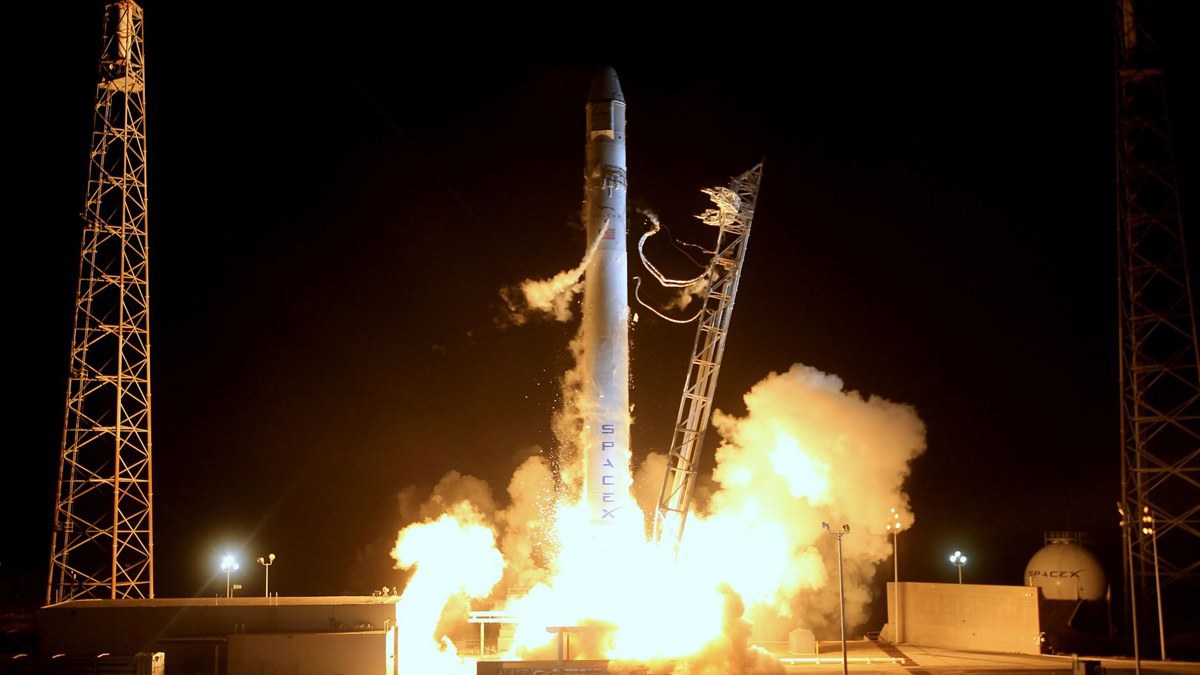
Cover photo by SpaceX on Pexels, used under the Pexels License.







Comments (0)
Leave a Comment