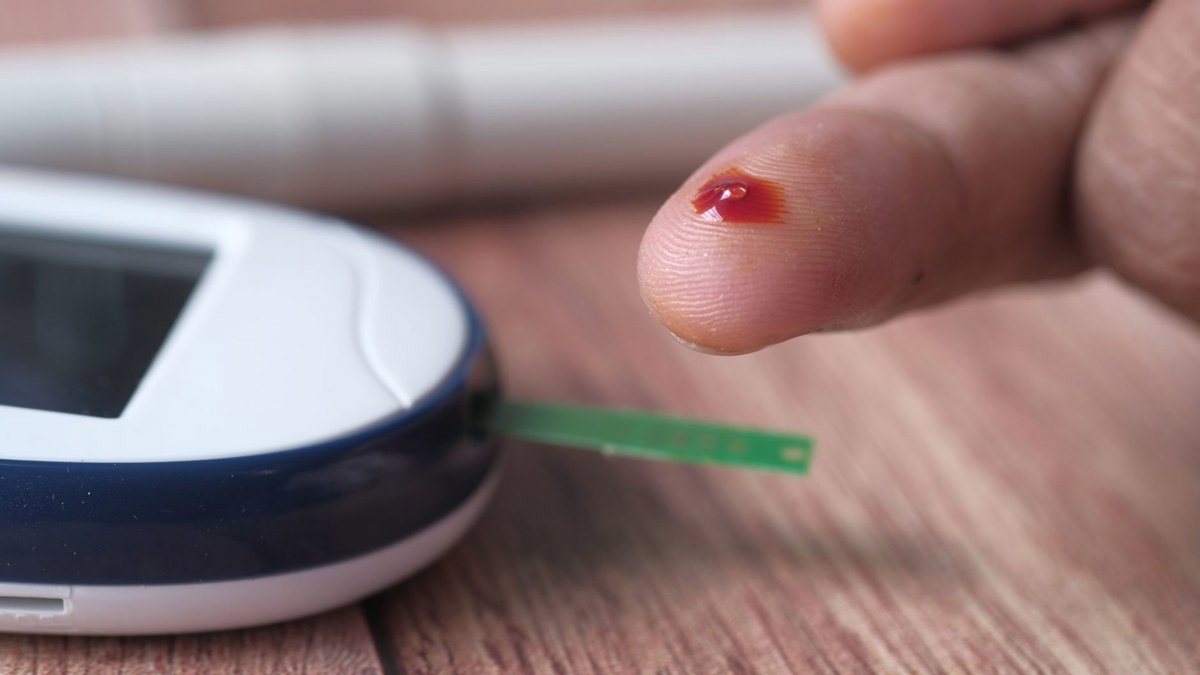
Abbott and Google Health pair Lingo glucose data with AI coaching
Abbott and Google Health will connect Lingo glucose insights to AI coaching and a large metabolic health study.


Abbott and Google Health announced a multi-year partnership on August 11, 2026, aimed at turning continuous glucose data from Abbott's Lingo biowearable into more contextual health guidance inside the Google Health experience. The move brings together a consumer medical-device maker with one of the largest consumer AI and mobile software platforms, and it pushes continuous glucose monitoring further beyond traditional diabetes management into everyday metabolic health tracking.
According to Abbott, Lingo users will be able to view ongoing glucose trends alongside other health and wellness information in the Google Health app. Google Health Coach is expected to use those signals to provide personalized recommendations tied to nutrition, activity, sleep and recovery. Google separately said fuller product details, feature integrations and availability information will be shared later this year, so the announcement should be read as a partnership roadmap rather than a same-day product launch for every user.
Why it matters
The partnership is notable because glucose data can be highly personal, time-sensitive and easy to misinterpret without context. Abbott positions Lingo as an over-the-counter continuous glucose monitoring system for adults 18 and older who are not using insulin and who want to understand how food, exercise, sleep and stress affect glucose levels. The company also stresses that Lingo is not intended to diagnose disease, including diabetes.
Abbott says the collaboration includes a large real-world metabolic health study combining continuous glucose, wearable, laboratory and survey data. The stated goal is to improve AI coaching in the Google Health app and inform future Lingo product features. If successful, that could make consumer health apps less dependent on generic wellness prompts and more responsive to signals that change throughout a person's day.
The companies are also being careful with medical boundaries. Abbott says Google Health Coach requires a Google Health Premium subscription, the Google Health app and an internet connection, with availability varying by device. The release says the feature is not intended for medical purposes and that users should check responses for accuracy.
- Abbott says Lingo is available in the U.S. and the U.K.
- Lingo health integrations are planned to continue rolling out in Google Health later in 2026.
- The companies say the research effort will study links between activity, sleep, wellbeing and metabolic health.
For users, the practical question will be whether the integration can translate glucose patterns into useful, transparent guidance without overstating what consumer wellness data can prove. For the broader health-tech market, the announcement shows how AI assistants are moving closer to regulated-adjacent health data, where accuracy, privacy and clear limits matter as much as personalization.
Sources
Cover photo by Towfiqu barbhuiya on Pexels, used under the Pexels License.




Comments (0)
Leave a Comment