AI sleep-study model surfaces hidden long-term health risks in routine lab data
A Nature Communications study used AI on sleep-lab signals to identify hidden risk groups tied to mortality and disease outcomes.


A new open-access study in Nature Communications suggests that routine overnight sleep studies may hold more predictive health information than clinicians typically extract from them. Researchers from Cleveland Clinic, Yale, the University of Washington and collaborators built a foundation model that analyzes full polysomnography signal data and links patterns in those recordings with later clinical outcomes.
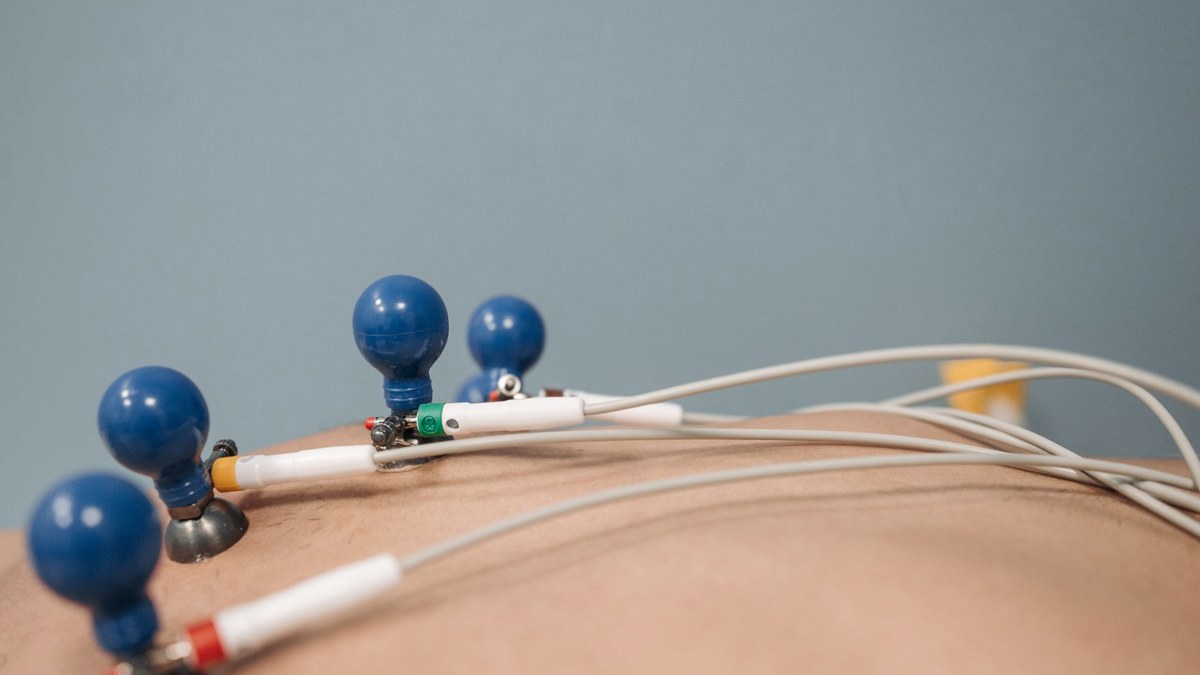
The work matters because sleep labs already collect rich physiologic streams from the brain, heart, muscles, breathing and oxygenation. In day-to-day practice, much of that complexity is often compressed into summary measures such as the apnea-hypopnea index, or AHI, which is central to sleep apnea assessment. The researchers argue that those conventional measures can miss clinically meaningful risk patterns embedded in the raw overnight signals.
What the model found
The team trained a transformer-based model on more than 10,000 clinical sleep recordings from Cleveland Clinic's STARLIT registry, paired with electronic medical records spanning more than a decade. The model learned representations from multiple channels, including EEG, ECG, oxygen saturation, airflow and respiratory effort, then used those embeddings to group patients into five risk categories.
Those groups were associated with different trajectories for mortality, cardiovascular disease and neurologic outcomes. In the paper, the highest-risk group showed more than double the five-year mortality risk of the lowest-risk group in the Cleveland Clinic cohort. The model's stratification also generalized to the independent Sleep Heart Health Study, although the validation cohort used lower-resolution data.
- The study identified five sleep-physiology risk groups that were not captured cleanly by AHI severity categories.
- The highest-risk group showed elevated associations with outcomes including heart failure, atrial fibrillation, cognitive impairment and epilepsy.
- The approach is research-stage and needs broader validation before it can guide routine care.
Why it is still early
Cleveland Clinic framed the result as a step toward more personalized sleep medicine, not as a deployed diagnostic product. The paper reports retrospective analysis and external validation, but the next phase is to test whether the model performs consistently across more diverse populations and clinical settings. That distinction is important: a risk-stratification model can highlight patients who may need closer attention, but it does not by itself prove that changing treatment based on the model will improve outcomes.
Still, the findings are a clear example of how medical AI is moving beyond image interpretation and chatbot-style clinical assistance. If validated prospectively, similar models could let hospitals reuse data they already collect during standard sleep testing to flag hidden cardiovascular or neurologic risk earlier, while giving clinicians a more nuanced view than a single sleep apnea score.
Sources
Cover photo by Pavel Danilyuk on Pexels, used under the Pexels License.



Comments (0)
Leave a Comment