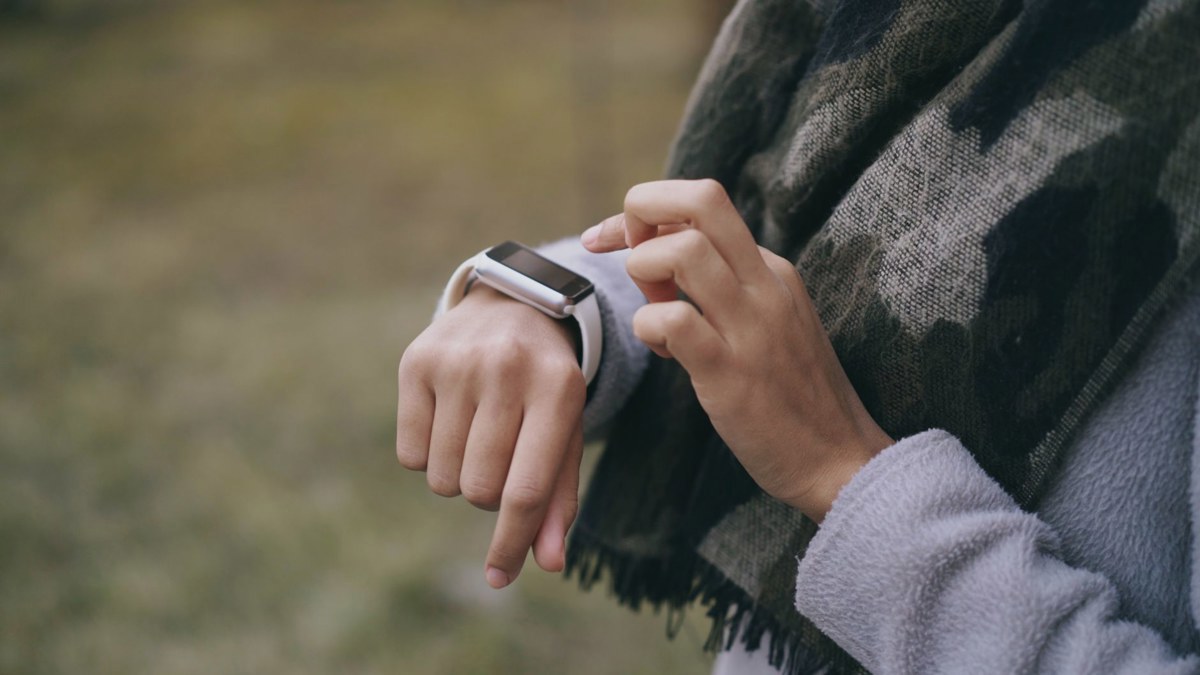
Google introduces Fitbit Edge as a $179.99 health tracker with coaching features
Google introduced Fitbit Edge, a $179.99 tracker with health coaching, seven day battery life and preorder availability.


Google introduced Fitbit Edge on October 12 as a new fitness tracker that sits between a full smartwatch and a quieter health band. The company says the device is available for preorder now at $179.99 through the Google Store and retail partners, with shelf availability starting October 27.
The practical change is not only another wrist device. Google is pushing more coaching and background health interpretation into a smaller tracker format. Fitbit Edge supports Google Health Coach through Google Health Premium, and Google says buyers get three months of that service included. The device works with most phones running Android 11 or higher or iOS 16.4 or higher, although some features require the subscription and regional availability varies.
What Google says changed
Fitbit Edge has a Hybrid OLED display with 46% more viewing area than previous Fitbit trackers, according to Google. It tracks more than 50 exercise modes from the wrist, includes built in GPS, and Google claims up to 40% improved route tracking accuracy compared with earlier generations. The company also says automatic activity tracking can recognize and categorize up to 100 workouts when a user forgets to start a session manually.
The health sensor list is aimed at daily monitoring rather than clinical diagnosis. Google describes ECG heart rhythm assessments, continuous optical heart rate monitoring, a skin temperature sensor, sleep stage analysis, HRV metrics, high and low heart rate alerts, and Health Guardian features for blood pressure and insulin resistance trends. Its footnotes are important: those trend tools are for general wellness and information, not medical diagnosis or treatment decisions.
Why it matters
For readers choosing a wearable, the tradeoff is clearer than the marketing line. Fitbit Edge looks useful for people who want longer battery life and focused health tracking without buying a larger smartwatch. Google claims up to seven days of battery life, fast magnetic charging that can add a full day in five minutes when the battery is low, 50 meter water resistance, and a repairable internal architecture with a replaceable battery.
The watch list is software trust. Coaching features can make health data easier to act on, but they also make accuracy, subscription cost, and regional feature limits more important than case color or display size. Buyers who mainly want passive fitness logging may find the hardware compelling. Anyone relying on the trend alerts for health decisions should treat them as prompts for a clinician conversation, not as a diagnosis from the wrist.
Sources
Cover photo by Vitaly Gariev on Pexels, used under the Pexels License.




Comments (0)
Leave a Comment