Microsoft and Paige Release PRISM2 Research Model for Multimodal Pathology AI
Microsoft and Paige released PRISM2, a research pathology AI model linking tissue slide images with diagnostic language.


Microsoft Research and Paige, now part of Tempus, have released PRISM2, a multimodal pathology foundation model designed to connect whole-slide tissue imagery with the language used in pathology reports. Microsoft announced the work on August 4, pointing to a Nature Medicine paper and public research weights on Hugging Face.
The core claim is that pathology AI does not have to be rebuilt as a narrow model for every diagnostic task. PRISM2 was trained to handle slide-level pathology analysis through both images and text, so researchers can ask questions, score yes-or-no prompts, generate draft-style reports for evaluation, or extract embeddings from tissue slides. The model card describes it as a 4.4-billion-parameter vision-language encoder-decoder that uses Virchow2 tile embeddings and a Phi-3 decoder.
Why It Matters
Pathology is central to cancer diagnosis, but many deployed or experimental AI tools remain task-specific: one model for one cancer type, dataset, or workflow. Microsoft says PRISM2 matched or exceeded specialized cancer-detection systems across several benchmark tasks, including prostate cancer, breast cancer and breast lymph node metastasis detection, without training a separate model for each use case.
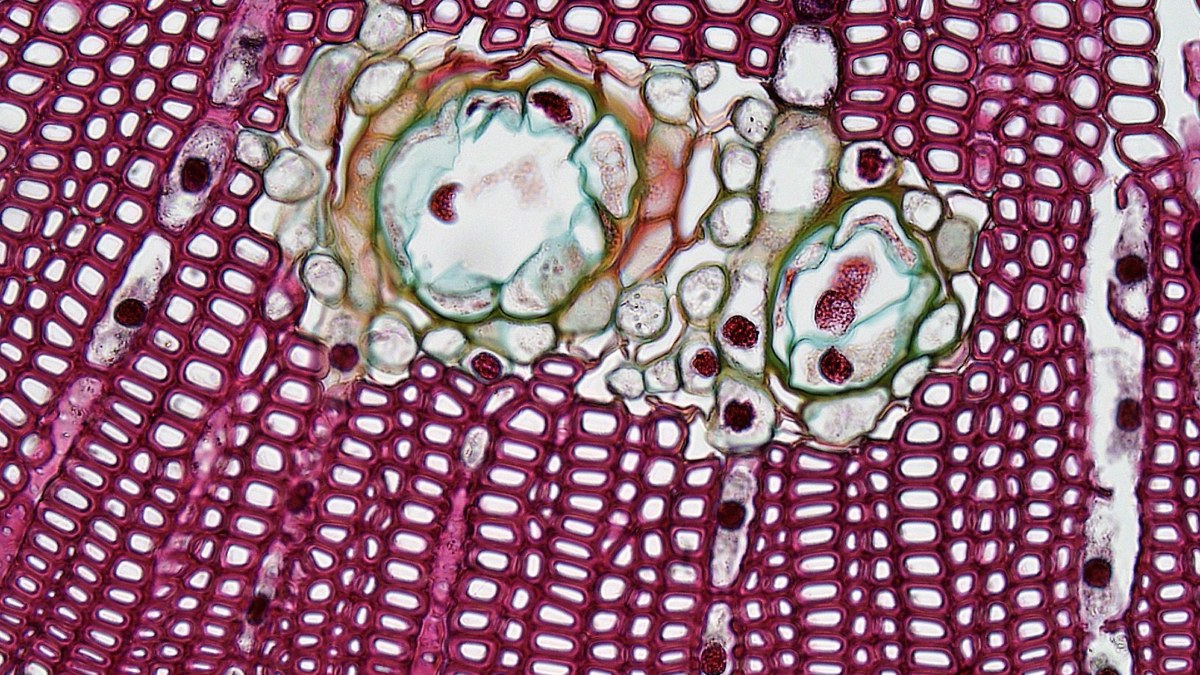
The model was trained using a large internal dataset described in the Hugging Face materials as 2.3 million whole-slide images from 685,507 specimens and 14 million question-answer pairs derived from clinical reports at Memorial Sloan Kettering Cancer Center. That scale is notable because the training signal combines visual patterns in H&E-stained tissue with the diagnostic wording pathologists already use.
- The full model weights are publicly listed on Hugging Face, but access requires accepting usage conditions.
- The license is CC-BY-NC-ND-4.0, limiting the release to non-commercial research and evaluation.
- The model card explicitly says PRISM2 is not for clinical diagnosis, treatment decisions, or use as a medical device.
That caution is important. PRISM2 is a research release, not a product cleared for patient care. The publication could still matter because open research access gives pathology AI developers a broader baseline for testing multimodal methods, prompt-based analysis and report-aware model behavior. If the results hold up across outside datasets, the approach may help future tools adapt to new pathology tasks with less one-off model building.
Sources
Cover photo by Fayette Reynolds M.S. on Pexels, used under the Pexels License.




Comments (0)
Leave a Comment