Anthropic launches Claude Science beta as an AI workbench for research teams
Anthropic's Claude Science beta brings agentic AI tools, auditable artifacts, and compute workflows to research teams.


Anthropic has opened a beta of Claude Science, a new AI workbench aimed at researchers who routinely move between literature search, notebooks, statistical tools, domain databases, and compute environments. The June 30 announcement positions the product as a single research setting rather than a general chat feature: scientists can use it on macOS or Linux locally, through SSH, or from an HPC login node, with Claude coordinating work across code, data, figures, and written artifacts.
The launch matters because Anthropic is trying to bring agentic AI into the reproducibility demands of scientific computing. The company says Claude Science can generate auditable artifacts, preserve the code and environment behind figures, and maintain a history that lets researchers inspect how a result was produced. It also includes a reviewer agent intended to check citations, calculations, and whether figures match their underlying code.
What is included in the beta
- Access for Claude Pro, Max, Team, and Enterprise users, with Team and Enterprise administrators required to enable the app.
- More than 60 curated skills and connectors for genomics, single-cell analysis, proteomics, structural biology, cheminformatics, and related research tasks.
- Native rendering for scientific objects such as protein structures, genome browser tracks, and chemical structures.
- Compute workflows that can use local machines, lab clusters over SSH, or Modal-backed compute on demand after user review.
Anthropic says it is also supporting up to 50 AI for Science projects with as much as $30,000 in Claude credits, while Modal will provide up to $2,000 in compute for selected projects. Applications are open through July 15, 2026, with notifications planned by July 31 and project work scheduled from September 1 to December 1, 2026.
The announcement includes early examples from biomedical and neuroscience users, but the practical test will be whether research teams trust the system for reproducible work rather than quick drafts. By emphasizing auditable histories, specialist agents, and local or lab-controlled infrastructure, Anthropic is clearly targeting the bottleneck between AI-assisted analysis and research-grade validation.
Sources
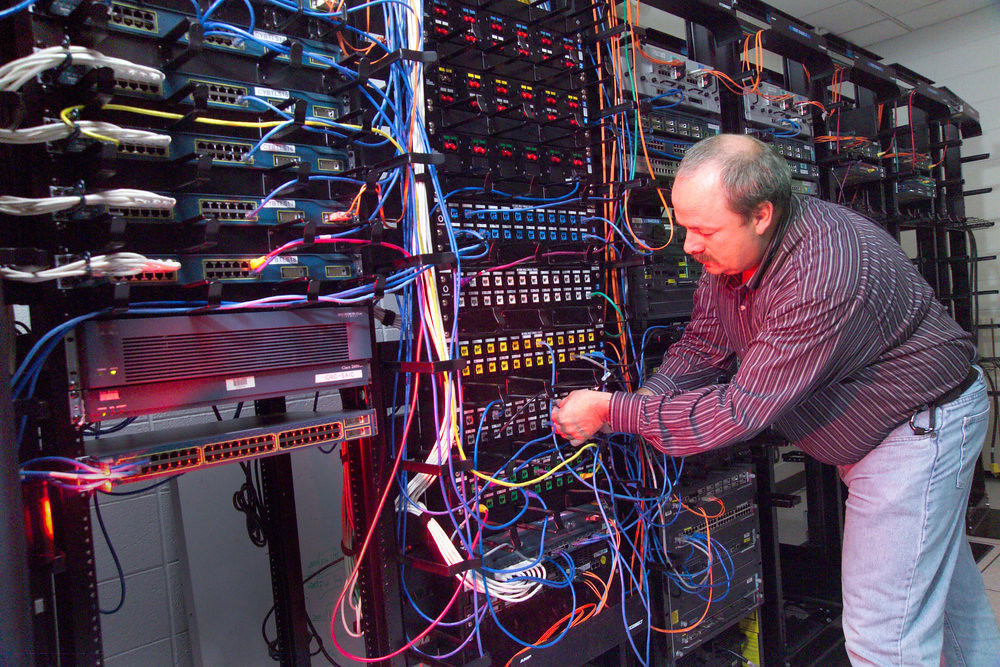
Cover image: Idaho National Laboratory, source, licensed under BY.






Comments (0)
Leave a Comment