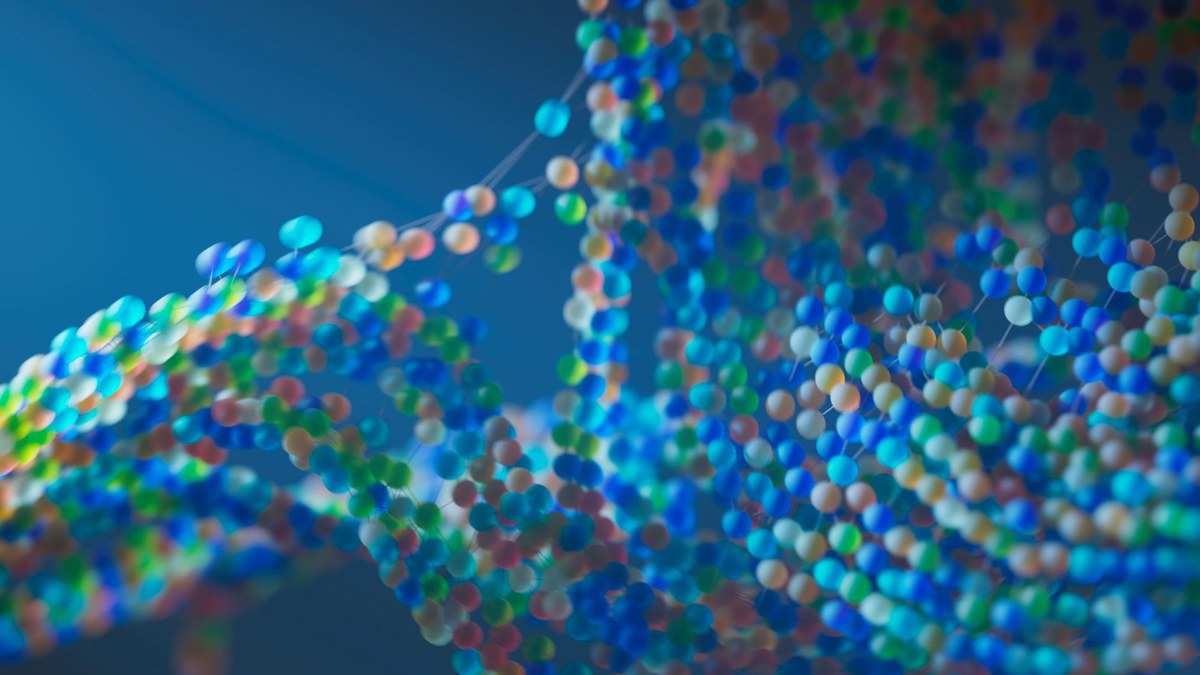
Anthropic's Claude Designs Protein Binders for 14 of 15 Targets at 22-35% Hit Rates
Anthropic's Claude models designed protein binders for 14 of 15 targets with 22-35% hit rates, outperforming typical benchmarks, and completed analytical.


Anthropic has published results from experiments where its Claude models autonomously designed protein binders against 15 targets, succeeding on 14. The work demonstrates concrete performance gains in a key early step of drug discovery.
Hit Rates and Affinity Results
In multi-target sessions, Opus 4.8 and Mythos Preview achieved overall hit rates of 22.6% and 26.7%. When Mythos Preview focused on single targets across separate 24-hour sessions, the hit rate rose to 35.1%. These figures compare to the 10-15% typical in protein design campaigns today. External labs Adaptyv Bio and Twist Bioscience validated the designs through wet-lab testing.
Several designs matched or exceeded the best previously reported affinities for their targets. Against RBX1, Mythos Preview reached a 40% hit rate and produced a binder with state-of-the-art affinity that outperformed the winning entry from a 245-design competition.
Challenging Targets and Structural Diversity
Opus 4.8 succeeded on TNFα, a therapeutically relevant target where multiple expert groups have struggled. It produced binders that cross-reacted with human, cynomolgus monkey, and mouse versions of the protein. Claude also generated 15 confirmed binders containing at least 20% β-strand across six targets, showing capability with more difficult secondary structures that often misfold.
Performance varied by target. The models had limited success against the novel β-barrel BBF-14 and none of the 90 designs against maltose-binding protein (MBP) confirmed binding, though one showed a weak signal.
Analytical Chemistry Workflow Acceleration
In a separate test, Claude Opus 5 processed raw NMR and LC-MS files from a contract lab. With only a two-sentence prompt and no vendor software, it returned calibrated spectra, hydrogen counts, and purity measurements (96.4% vs. lab 96.33%) in 23 and 19 minutes respectively, matching the lab’s own analysis.
Practical Implications
This may shorten the computational phase of early drug design from weeks or months to days for initial candidates. The company emphasizes that full wet-lab validation, optimization, and downstream development steps remain necessary. Protein design capabilities are currently restricted in the most advanced models due to dual-use risks; Opus 5, the generally available model, handled the chemistry analysis task.
One likely effect is increased accessibility of high-quality starting designs for research teams that lack extensive computational infrastructure, though expert guidance is expected to improve outcomes further. It remains unclear how quickly these AI-assisted designs will move into clinical pipelines given existing bottlenecks in experimental throughput and regulatory review.
Sources
Cover photo by Google DeepMind on Pexels, used under the Pexels License.


Comments (0)
Leave a Comment