Google DeepMind introduces SynthID Bio to watermark AI-designed proteins
Google DeepMind introduced SynthID Bio, a proof of concept for watermarking AI-designed proteins while preserving function.


Google DeepMind has introduced SynthID Bio, a proof of concept for watermarking AI-generated proteins without removing their intended biological function. The work extends the SynthID idea beyond media files and text into synthetic biology, where provenance is harder because a design can move from software into a physical molecule.
What changed
SynthID Bio embeds a verifiable signal into biological designs, including AI-generated protein sequences and predicted three-dimensional structures. Google says the watermark is meant to remain detectable not only in the digital design but also in the synthesized protein. In laboratory testing across target proteins, the company says watermarked designs matched unwatermarked versions on performance and natural diversity.
The accompanying Nature paper, published on September 30, 2026, frames the work as function-preserving watermarking for AI-generated proteins. That matters because a watermark that breaks binding behavior, reduces diversity, or makes proteins biologically odd would be less useful for research teams. Google DeepMind describes the release as a first step, not a finished governance system for synthetic biology.
Why it matters
Protein design is moving quickly from prediction toward creation. Tools such as AlphaFold, AlphaProteo and ProteinMPNN have made it easier to reason about structures and generate candidate molecules. That creates useful paths for medicine and materials research, but it also makes provenance more important. Researchers, database operators and biosecurity screeners need better ways to tell when a protein was produced by an AI system, especially if the design later appears in a repository or synthesis workflow.
- For research databases, a watermark could help separate natural proteins from AI-generated ones.
- For labs, it could add a check before a design becomes a physical sample.
- For AI developers, it offers a way to attach provenance without exposing the full design pipeline.
The practical CyberOGZ read is that SynthID Bio is useful if it becomes part of a broader chain of custody. A detectable signal inside a protein design can help, but it will not answer every policy question by itself. Labs still need metadata, screening rules, audit trails and incentives to use the system consistently.
What to watch next
The next test is adoption outside Google DeepMind. If watermarking is limited to one developer's models, its value will be narrower. If repositories, synthesis providers and model builders agree on compatible provenance checks, it could become a safety layer for AI-assisted biology. Readers should also watch for independent replication of the laboratory results and for how the method handles modified designs, partial sequences and real-world database noise.
Sources
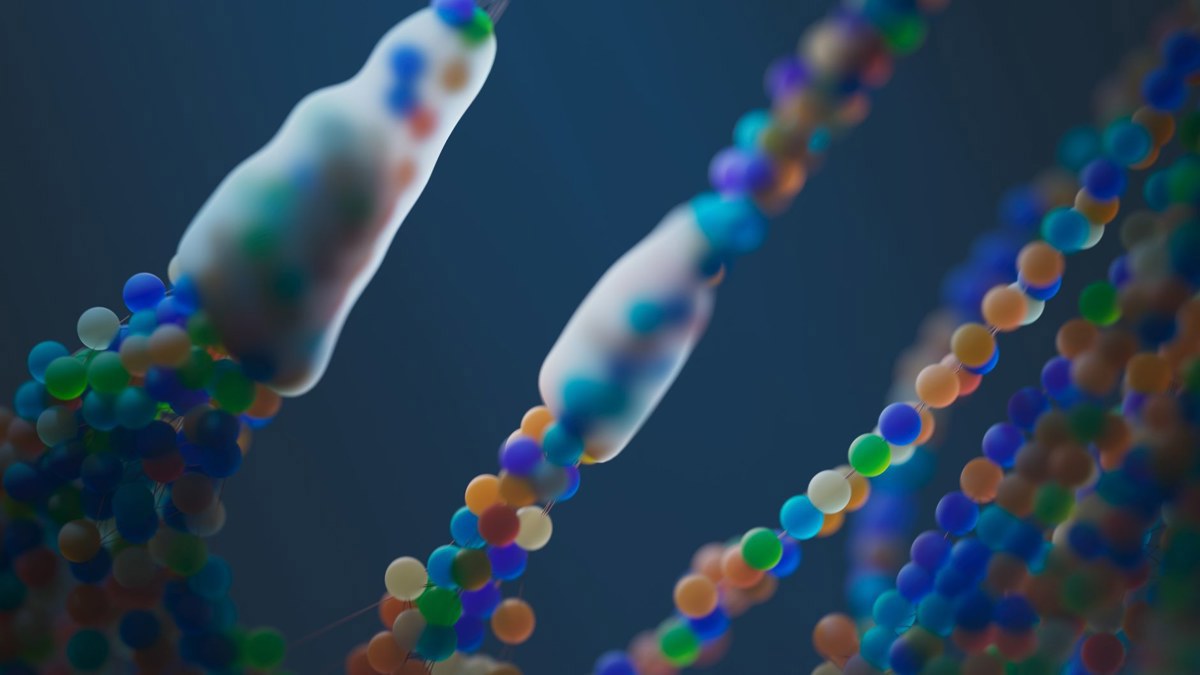
Cover photo by Google DeepMind on Pexels, used under the Pexels License.






Comments (0)
Leave a Comment