Google.org funds Irish AI weather forecasting network with 560 school stations
Google.org is funding Irish AI weather research with school sensors, satellite data and local nowcasting goals.


Google.org has announced a $5 million commitment to AI-powered weather forecasting and climate research in Ireland, with a four-year programme that links Google Earth AI, satellite imagery and local weather observations. The October 13 announcement says €2.25 million, about $2.5 million, will go to the AIMSIR Centre and the Climate + Co-Centre through the UCD Foundation.
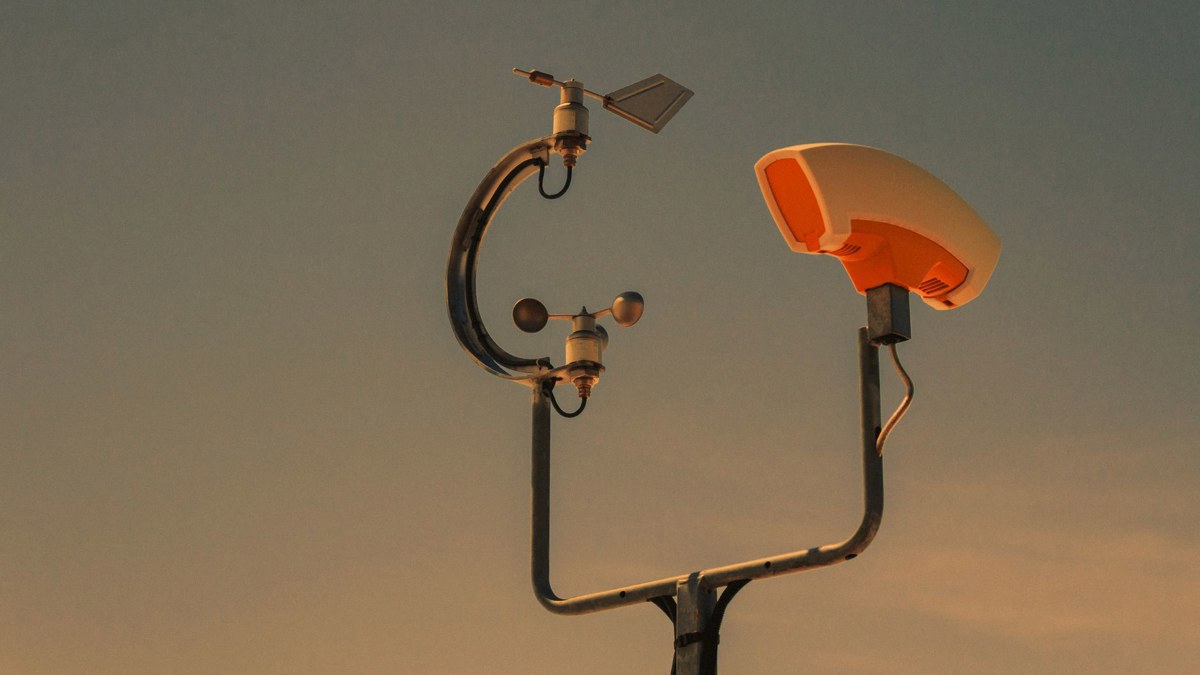
The practical change is the planned Climate+ School Weather AI Network. Google says the programme will deploy 560 solar-powered weather stations in schools across Ireland, then use those ground-level readings with more than 70 years of Irish climate records. RTÉ reported that the school stations will send freely available data every minute, giving researchers a denser live picture than conventional observation networks alone can provide.
Why local data matters
Weather AI has improved quickly, but local severe weather still depends on the quality and density of observations. Google frames the work around nowcasting, meaning short-range systems that track fast-moving conditions in real time. For Ireland, the target use cases are plain enough: earlier warnings for flash flooding, severe storms and sudden downpours that can arrive before broad regional forecasts have much value for a town, school or commute.
The education angle is more than a side benefit. If the stations are maintained and the data remains open, classrooms become part of the sensing network while students work with real local measurements instead of canned examples. That could make the project useful even before the AI models prove they can outperform existing workflows.
What to watch next
The CyberOGZ read is that this is a sensible test of applied AI because the output has an obvious decision point: better warnings either arrive earlier and at useful local resolution, or they do not. The unanswered question is operational integration. Research models, school sensors and public weather services need clear maintenance, calibration and alerting rules before residents can rely on them during a dangerous event.
Readers should watch for three milestones: where the first stations are installed, whether the open data feed is easy for communities and developers to use, and how Met Éireann and the research partners measure warning accuracy against current forecasting methods.
Sources
Cover photo by Ehaan Dewa on Pexels, used under the Pexels License.




Comments (0)
Leave a Comment