Microsoft says Maia 300 will become its primary AI inference system in 2027
Microsoft says Maia 300 will become its primary AI inference system in 2027, with major rack and power efficiency claims.


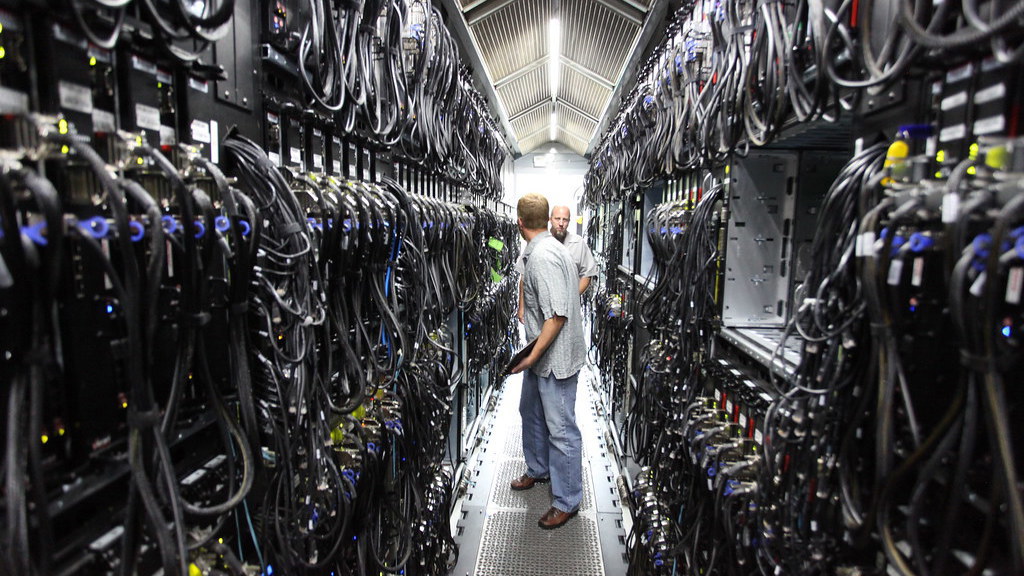
Microsoft has introduced Azure Maia 300, a new in house AI inference system that it says will become the primary inference platform for Microsoft products and services as deployments begin in 2027. The announcement matters because it moves Microsoft deeper into custom silicon at the exact point where Copilot, GitHub, Teams, Foundry and clinical AI tools are turning inference cost into a daily operating constraint.
What Microsoft claims changed
In its official blog post, Microsoft says Maia 200 is already serving production workloads, including Microsoft Copilot, and is being deployed across the United States, Europe and Australia. Maia 300 is the next step. Microsoft says it is designed for long context reasoning, latency sensitive conversations and sustained agent tasks rather than only raw training throughput.
The headline numbers are vendor claims, but they are specific. Microsoft says Maia 300 should deliver 40 percent more tokens per megawatt than leading GPU based systems. In a full rack configuration, the company says 96 Maia 300 accelerators can deliver up to seven times the rack scale token throughput of Maia 200. A technical Azure post adds that a Maia 300 rack fits inside a 167 kilowatt power envelope, with 27.6 TB of HBM capacity and 1.7 PB per second of aggregate HBM bandwidth.
Why readers should care
For everyday users, this will not show up as a chip they buy. The practical impact is more likely to appear as faster response capacity, lower serving cost, or broader availability for AI features inside Microsoft services. For enterprise buyers, the more important question is whether the cost curve for AI agents improves enough to make always on copilots and workflow agents less expensive to run at scale.
There is also a strategic angle. Microsoft is not replacing every accelerator with Maia overnight, and the company still operates a heterogeneous cloud. But making Maia the primary inference system would give Microsoft more control over power efficiency, memory bandwidth and software tuning for its own workloads. That can matter when model serving becomes less about peak benchmark numbers and more about how many useful answers a data center can produce per watt.
- Maia 300 production deployments are planned for 2027.
- Microsoft says Maia 200 already supports Copilot and other internal workloads.
- The strongest claims are about inference efficiency, not consumer device performance.
The main watch point is independent proof. Microsoft has published architecture details and clear internal comparisons, but customers still need workload specific pricing, latency and reliability data before treating Maia 300 as a purchasing signal. For now, the announcement is best read as a serious infrastructure commitment that could shape how Microsoft prices and scales AI services in 2027.
Sources

Comments (0)
Leave a Comment