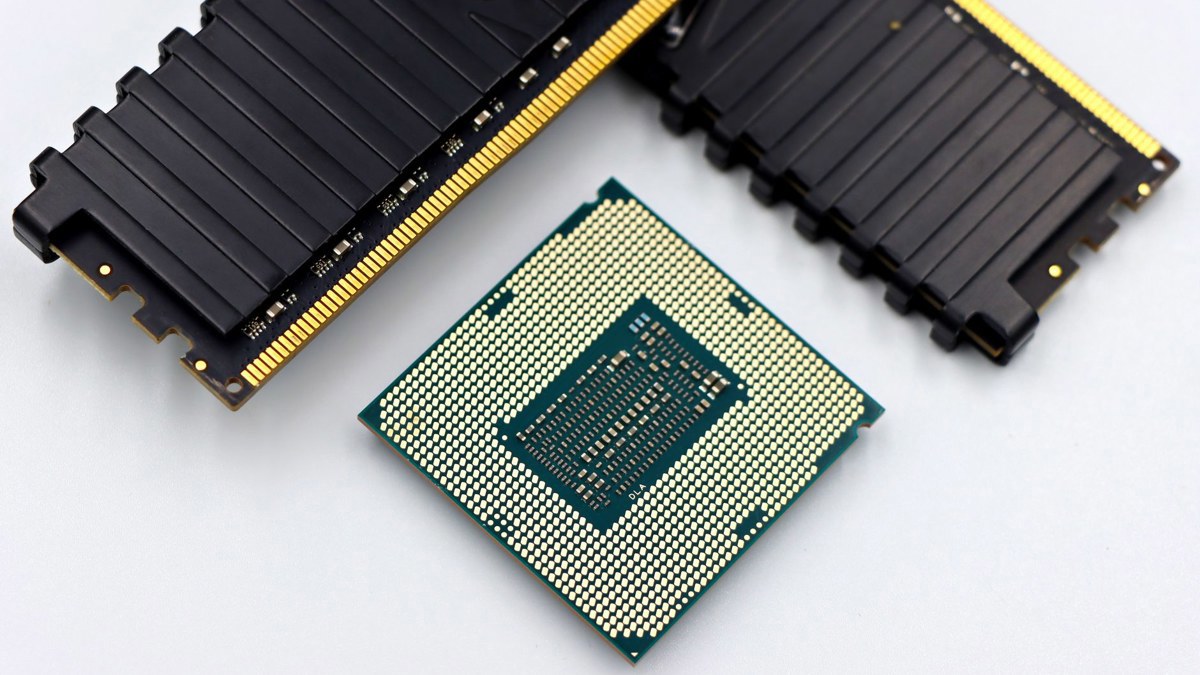
IBM designs dual-architecture processor to bring Arm workloads to future Z systems
IBM says a future Z and LinuxONE processor will run Arm-native Linux alongside mainframe workloads on each core.


IBM used Hot Chips 2026 to disclose a dual-architecture processor planned for future IBM Z and LinuxONE systems. The unusual part is not just another Arm server chip. IBM says each high-performance core is being designed to execute IBM Z or LinuxONE instructions and Arm instructions natively, letting Arm-native Linux environments run beside z/OS and existing Linux on IBM Z workloads.
What IBM Is Claiming
The processor is being built on a 2 nanometer technology node and is planned with 11 high-performance cores running at more than 5.7 GHz. IBM also says the design includes AI inference acceleration for in-transaction fraud detection, a dedicated on-chip data processing unit for I/O acceleration, and a large cache architecture for demanding enterprise workloads.
Arm confirmed the direction in its own newsroom post, framing the move as a way to bring the Arm software ecosystem into mission-critical enterprise computing. Arm says the design would let Arm-native Linux environments run alongside z/OS and existing Linux applications, while relying on IBM's security and resilience features.
Why It Matters
Mainframes still sit behind banking, insurance, government, retail, and other high-volume systems where reliability and transaction integrity matter more than fashion. Those environments also face a practical software problem. A large share of cloud-native and AI infrastructure work is now optimized for Arm, while IBM Z buyers often need to keep core systems close to existing data and controls.
If IBM delivers the processor as described, enterprises could test or deploy more Arm-native software without moving regulated workloads out of Z and LinuxONE environments. That does not make modernization simple. Teams would still need to validate performance, licensing, observability, security tooling, and operational handoffs across mixed workloads. The practical CyberOGZ read is that this looks less like a consumer-style chip race and more like IBM trying to reduce the penalty for keeping critical systems on mainframe infrastructure while newer AI and cloud software moves elsewhere.
- Watch for real system availability, not just processor design details.
- Ask whether Arm workloads inherit the same monitoring, recovery, and encryption controls used for existing Z estates.
- For buyers, the decision point will be workload fit rather than peak benchmark claims.
IBM also cautions that statements about future direction can change. That matters here because the announcement describes a processor intended for future systems, not a shipping server that customers can price and deploy today.
Sources
Cover photo by Marta Branco on Pexels, used under the Pexels License.



Comments (0)
Leave a Comment